How is slab cut from the blocks?
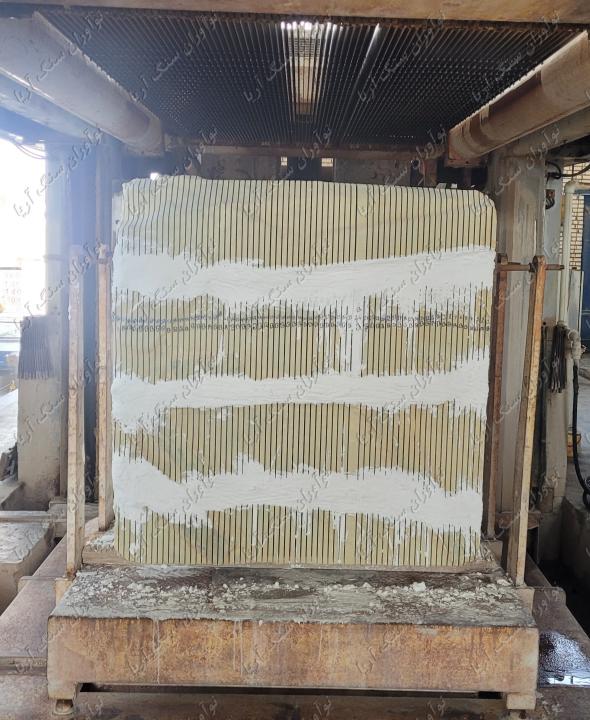
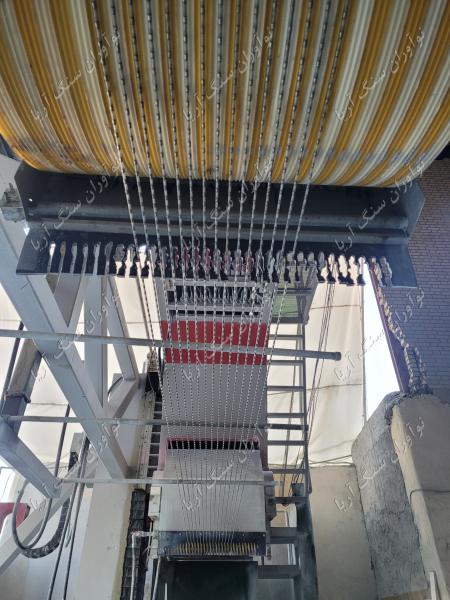
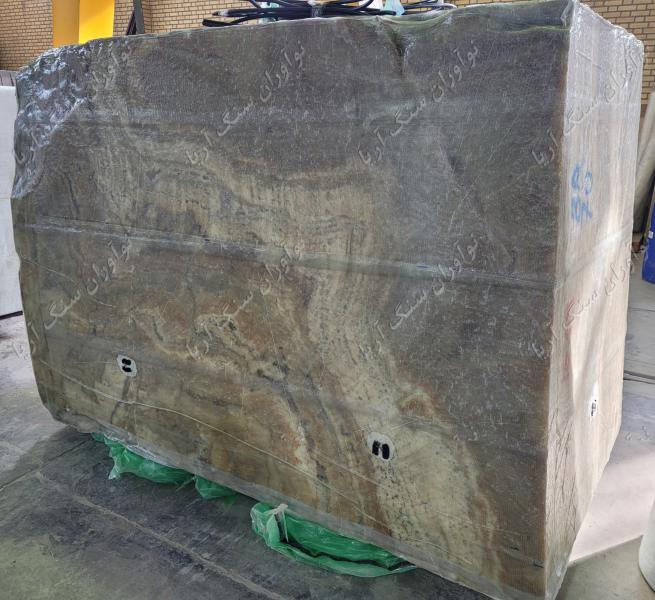
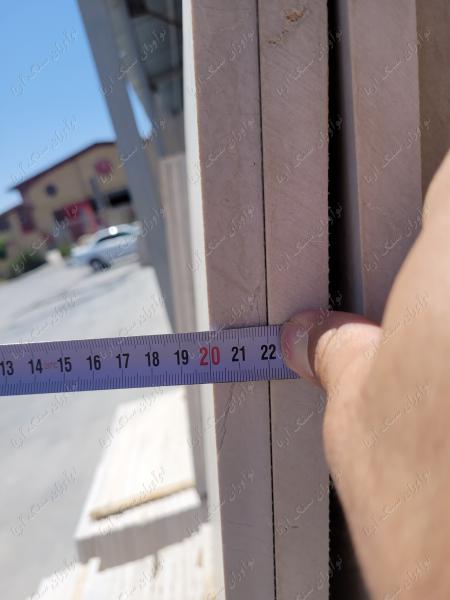
By loading the Block from the quarry into the factory, it is now the time to cut the block into slices in a determined thickness that is usually 2 cm. To do this, the Block is positioned in the cutting room of Gangsaw Cutting Machine so that the firmly-framed steel blades cut through the block from the upper side down to the bottom, slicing the block into a successive set of stone rectangles with the specific thicknesses. The thickness in this case will be the distance between every two consecutive blades. This process on the Block is carried out through the cyclic back-to-forth movement of the blades until they reach the bottom surface of the block. In case of Granite, as the type of the stone is harder to cut, a wire-cut machine is used instead of Gangsaw machine so that the cutting process is carried out by means of wires instead of the blades.
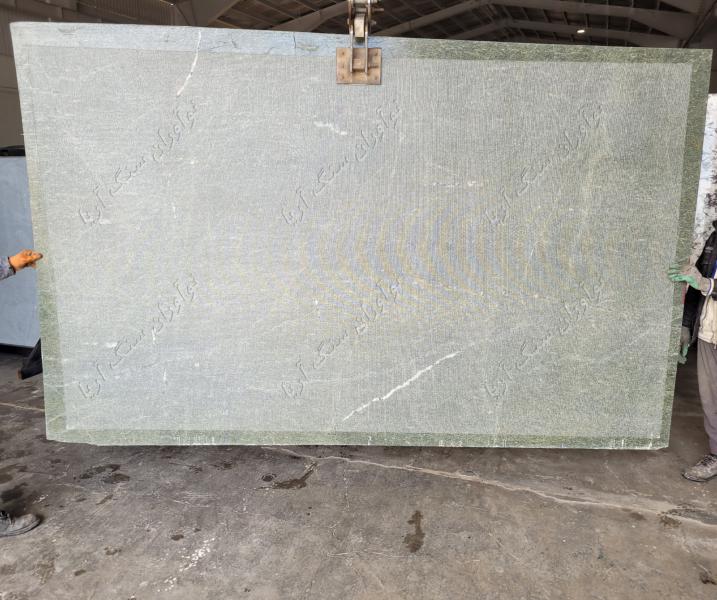
According to the type of the cutting block, Travertine slab,, Granite slab,, Onyx slab,, Marble slab,, Limestone slab and Tra-Onyx slab are cut and then processed accordingly.
What are the pre-requirements for cutting slabs?
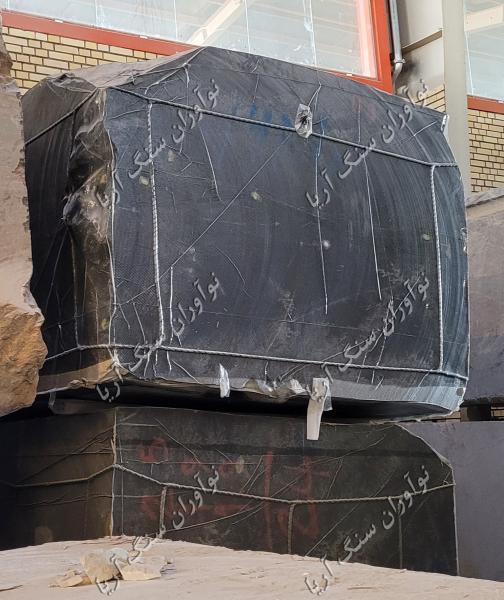
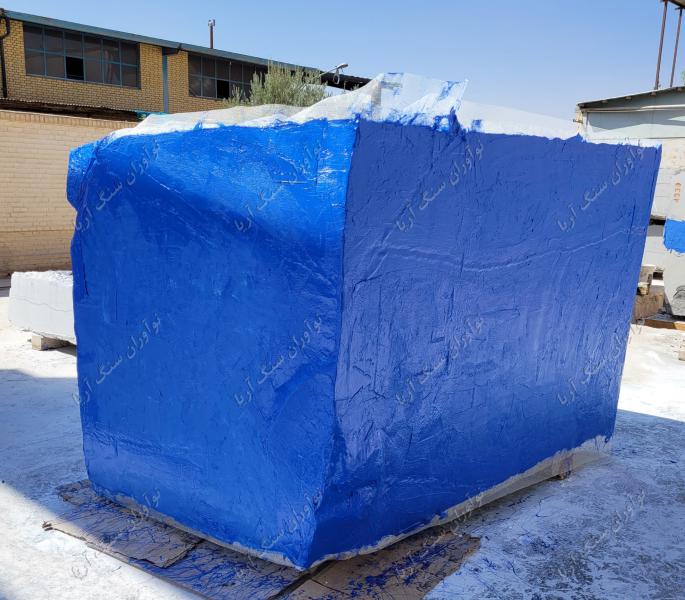
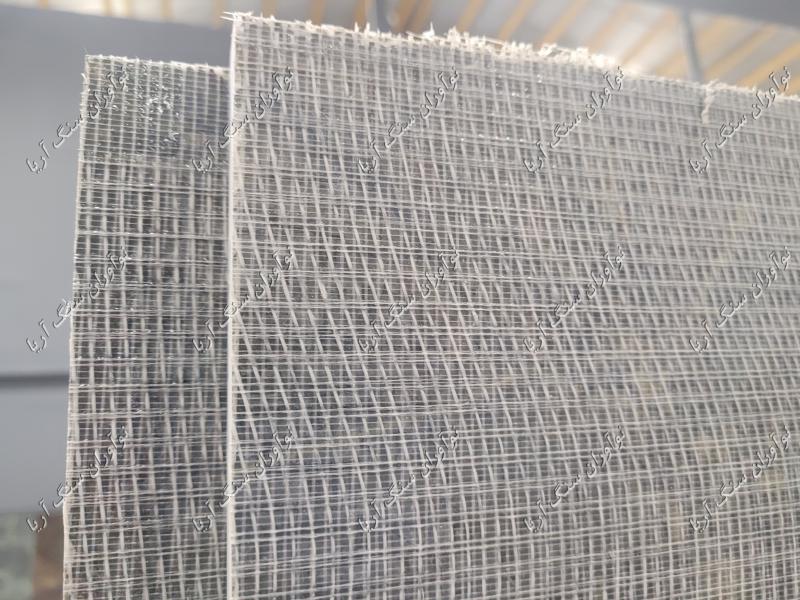
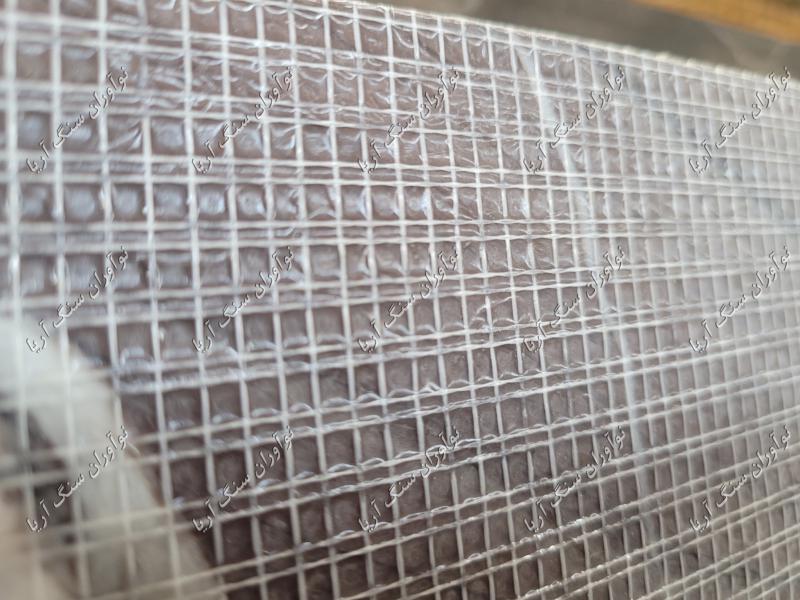
In the event that the Block contains multiple risky cracks and fractures so that it is hard for the block to keep stable under the cutting load, it is highly recommended to reinforce the Block with block mesh and block gel so that the integrity of the block is guaranteed at the time of cutting process. Yet and in case of onyx blocks, it is recommended to perform vacuum process on the Block in which the whole body of the stone is wrapped around by a special coverage and then epoxy resin is injected into the pores and cracks of the Block through vacuum process. This way, the cracks and the unstable parts of the stone are reinforced and stabilized with a higher integrity.
How slab is processed?
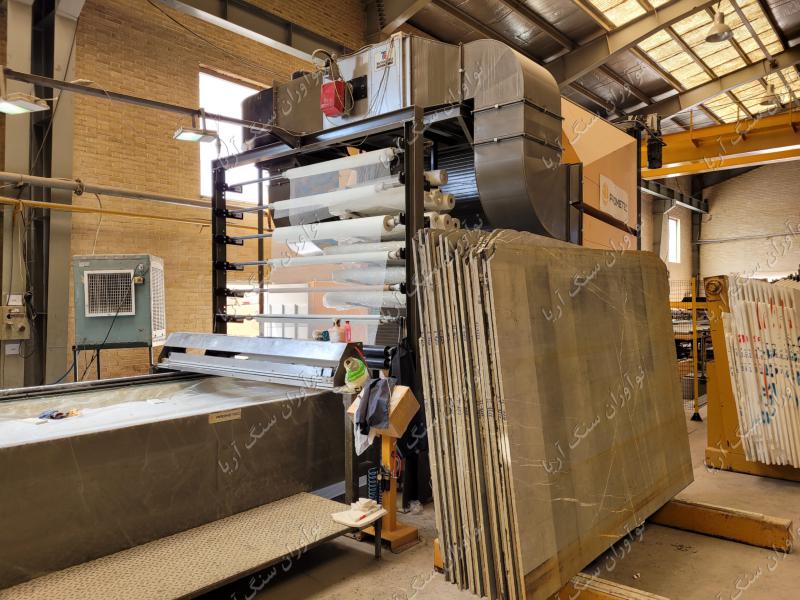
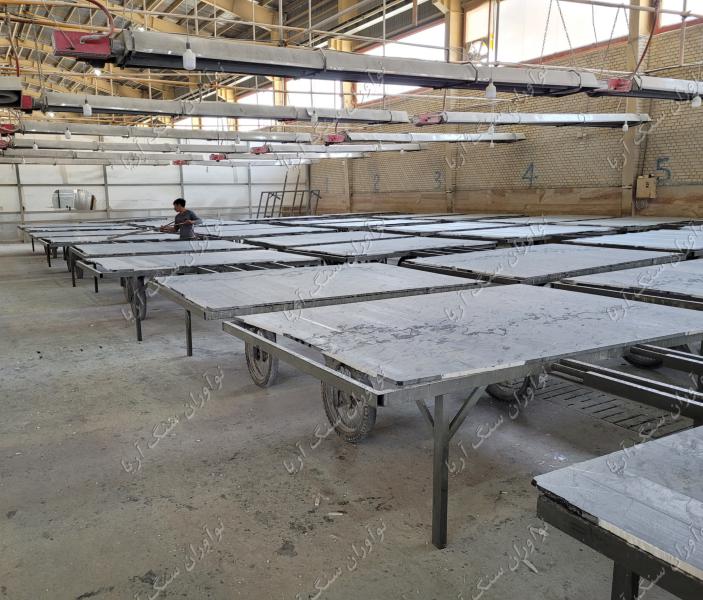
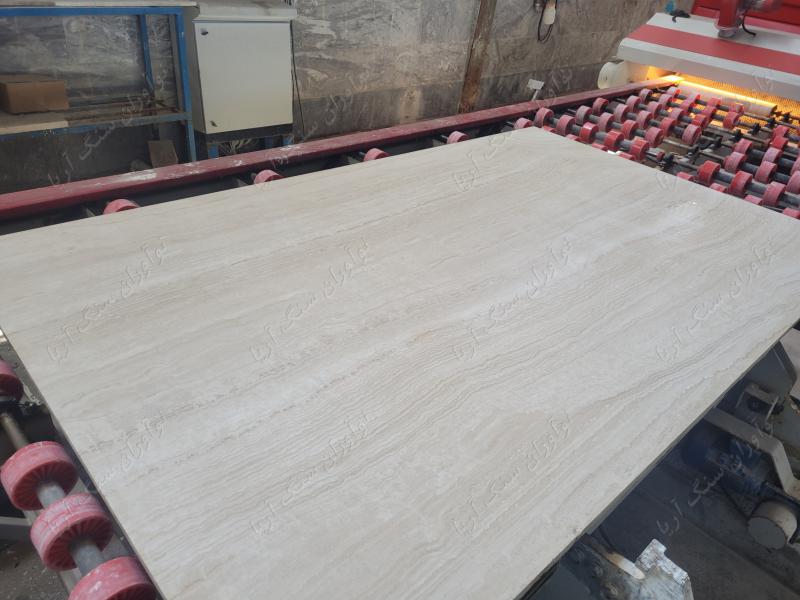
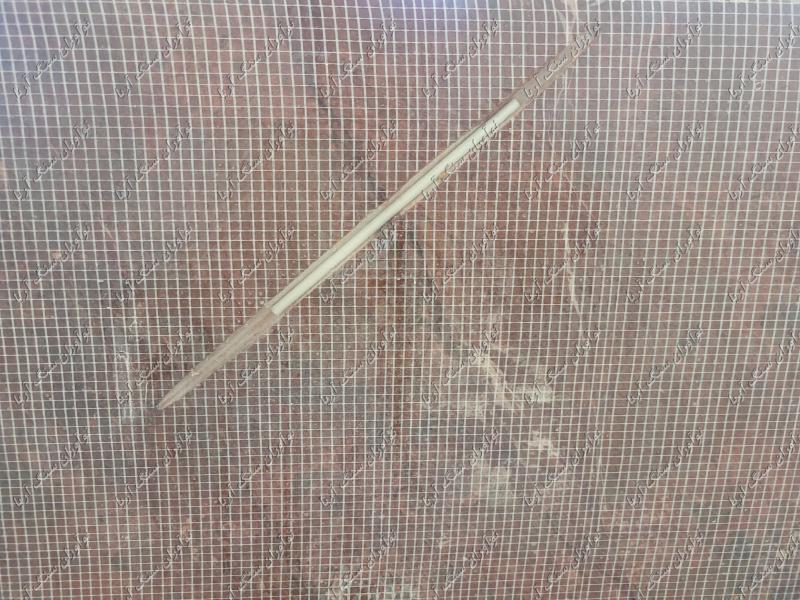
By finishing the cutting process of the Block into slices, two distinct approaches are applied in order for processing the slabs. The first is applied by using curing ovens and the second employs radiant heating lines in order for processing the slabs. In both approaches, the slabs are initially pre-heated one by one. Afterwards, the slabs are reinforced on the back side with fiberglass mesh netting coverage and epoxy resin in order to cure and reach the ultimate strength. This is when the processing of the backside of the slabs is completed.
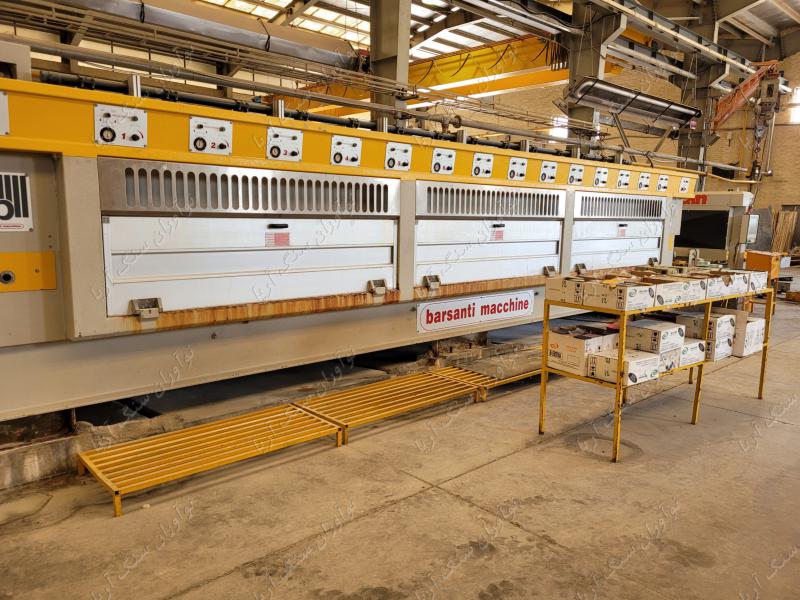
In the next step and after putting the slabs out of the heating space, the front-side of the slabs are firstly pre-heated then fully covered with epoxy resin in order for the cracks to be reinforced through curing time under the pre-defined heating process. In the final stage, slabs are processed with the use of stone abrasives through calibrating, grinding and polishing stages in the respective lines.
It is highly recommended that Epoxy resin is fully applied onto the surface of the stones in order to cover and reinforce the cracks and other risky parts before polishing to the final stone finish .
Slab packaging
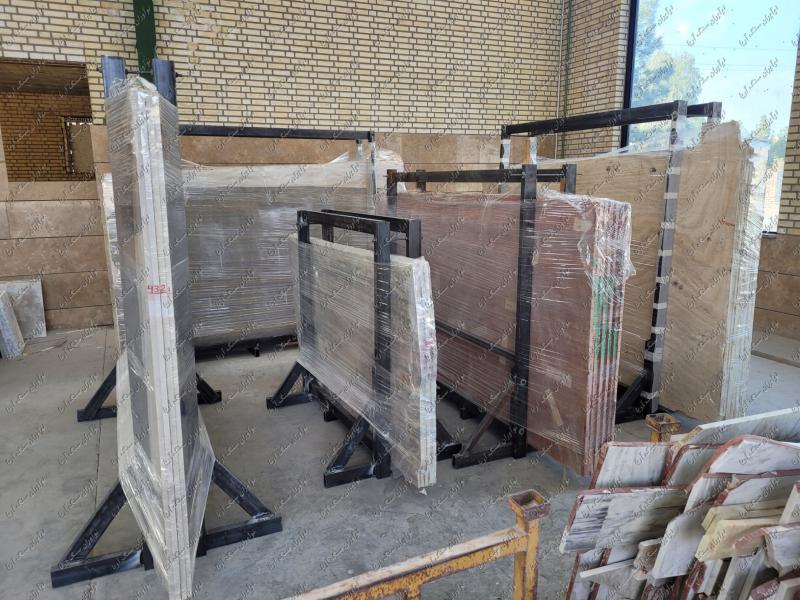
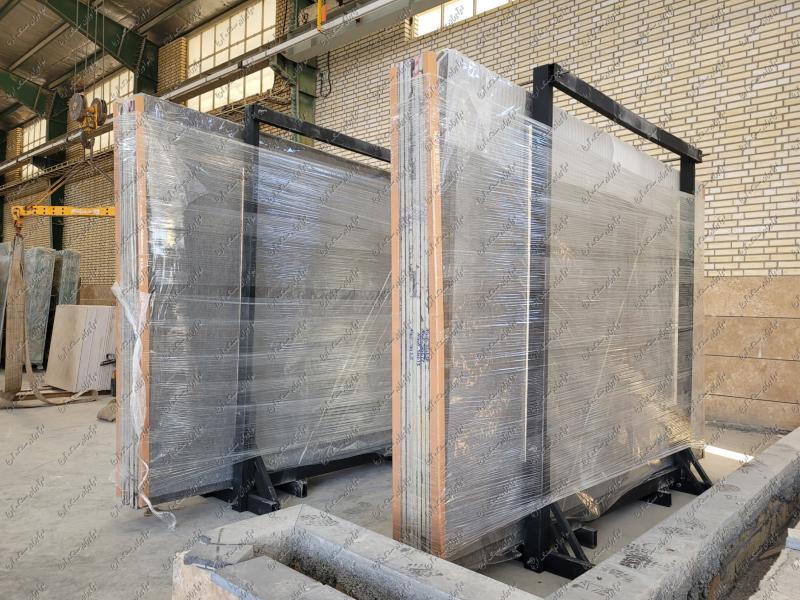
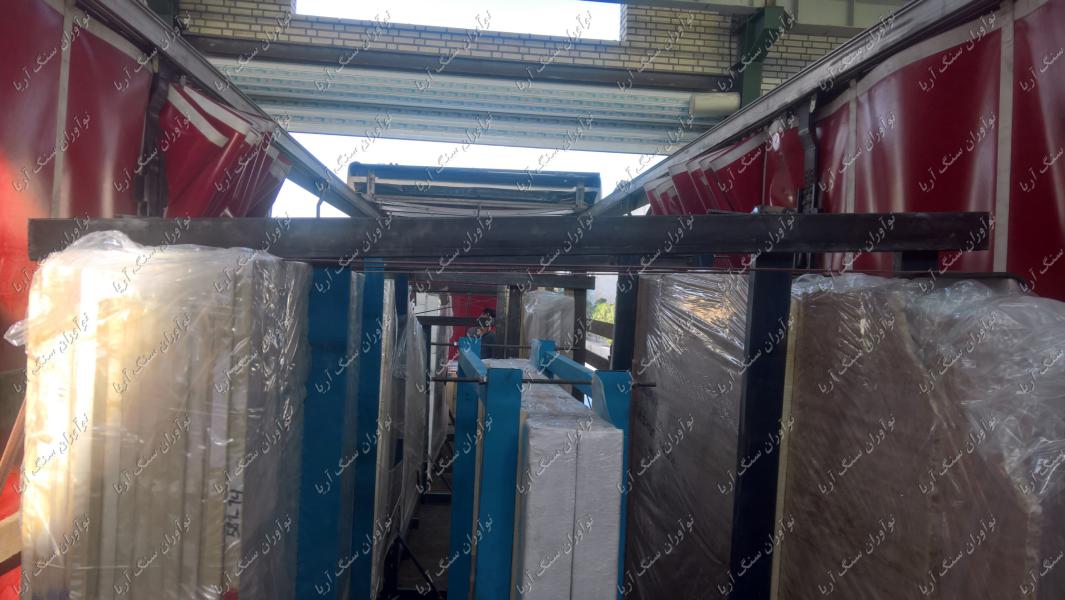
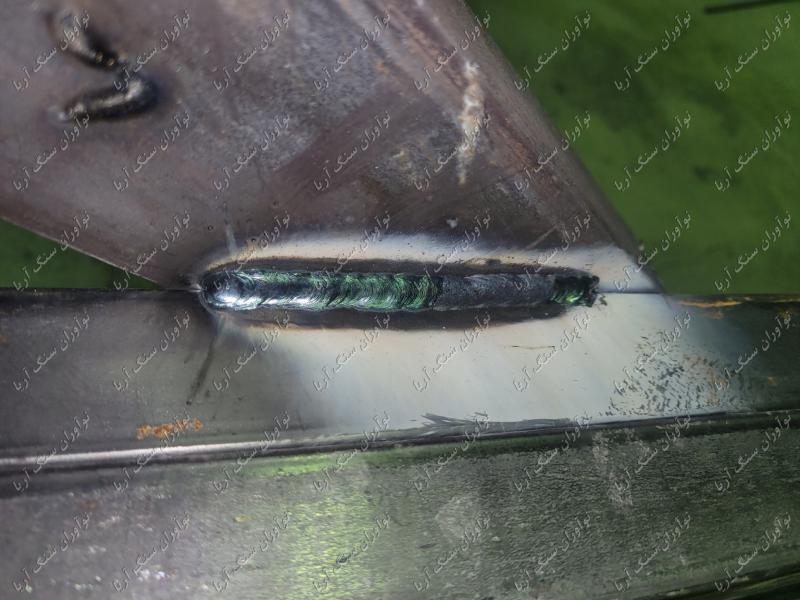
In this step, and according to the slab dimensions and the number of the slabs to be packed, some metal or wooden palette is designed and manufactured with the standard size of profiles. The type of the profiles used to make the palettes must be strong enough to bear the whole weight of the slabs in lifting. In packaging process, the slabs are packed face-to-face and back-to-back in order that the front face of the processed slabs are not damaged.
QC on slabs
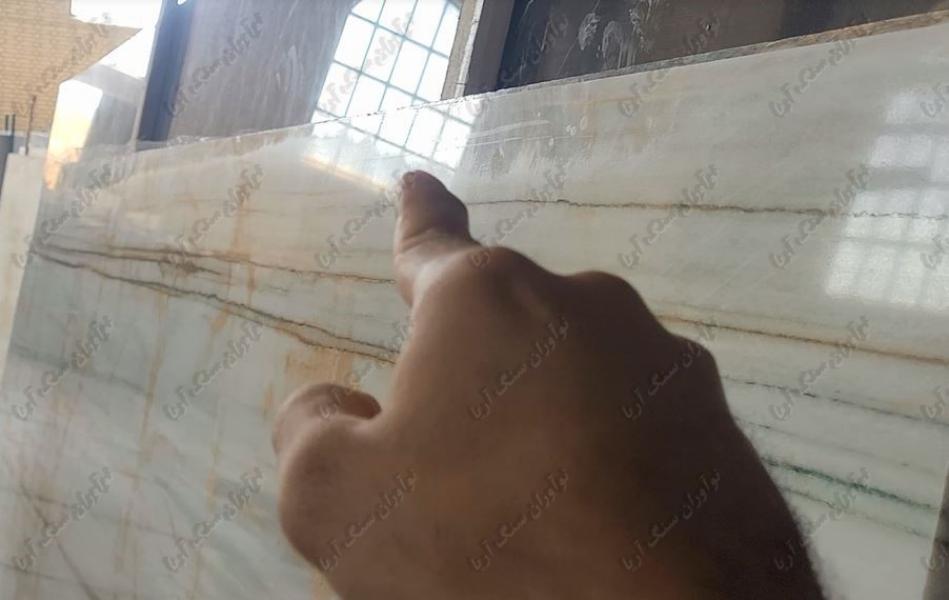
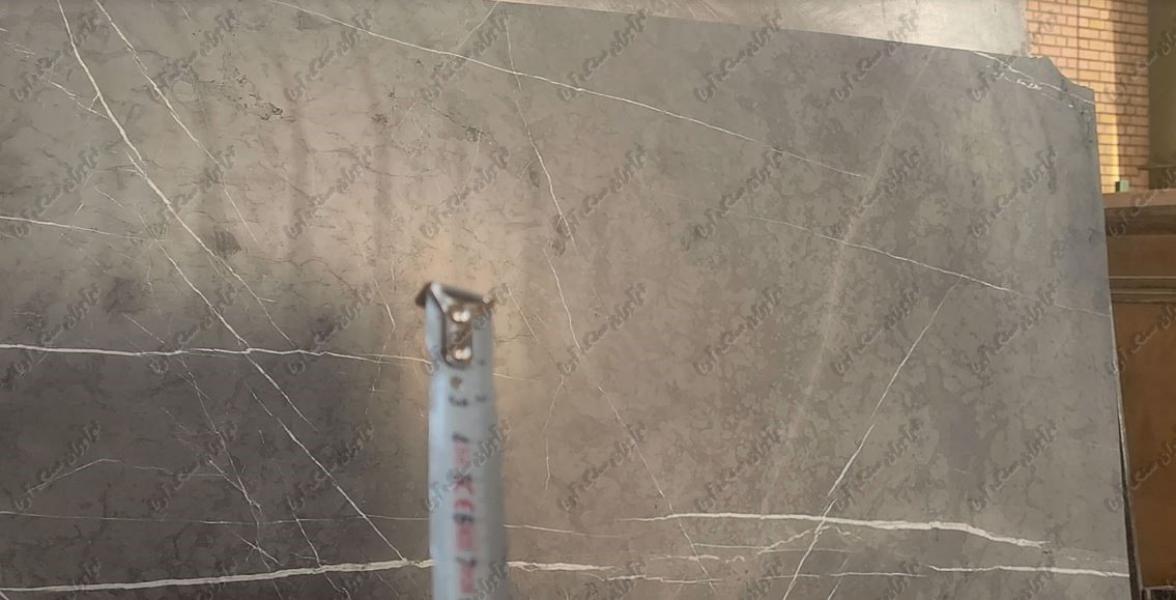
This is by far the most important stage in assuring the acceptable quality as this is where all the technical details in the production process are analyzed in detail in order for selection of the approved slabs. QC operations in the course of this point are based on all the engineering standards well-defined in the stone industry. The standards include the quality of back processing, the quality of front-processing, inspecting the performance of stone abrasives, size tolerances, the performance of the applied epoxy resin or poly-ester resin, the quality of processing along the cracks inspection of the mineral composition of the slabs in order to identify the risky parts and finally the design for the packaging palettes according to the size, the number and the weight of the slabs. All the details are reported in a comprehensive file in order to make the final decisions.
The company Noavaran Sang Arya as a leading and prominent company in the realm of natural stone QC, is readily capable of taking full responsibility of the natural stone projects on the basis of a productive cooperation with a great variety of contractors in order for sourcing and procurement of any range of natural stones.
Simply register your order just by sending us the code in the galleries
- Sales of travertine slabs
- Sales of Onyx slabs
- Sales of Granite slabs
- Sales of Marble I slabs
- Sales of Marble II slabs
- Sales of Tra-Onyx slabs
- Sales of Limestone slabs