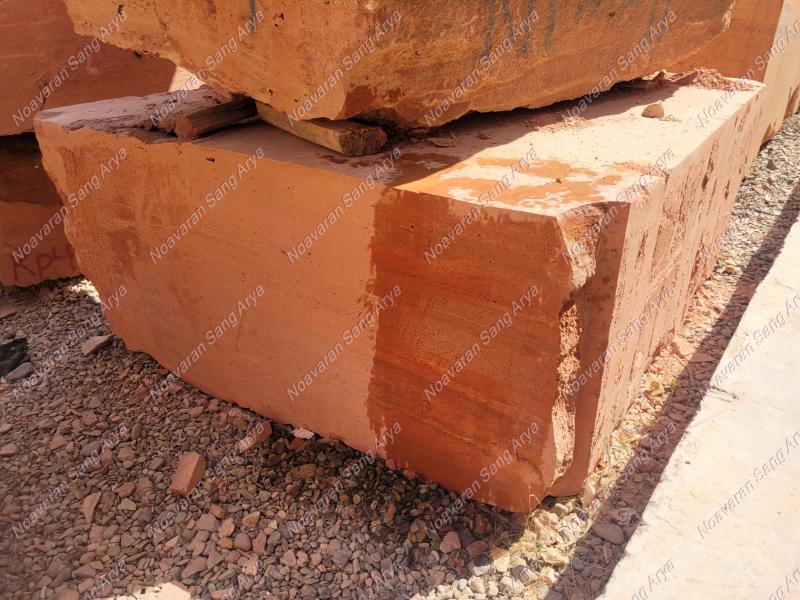
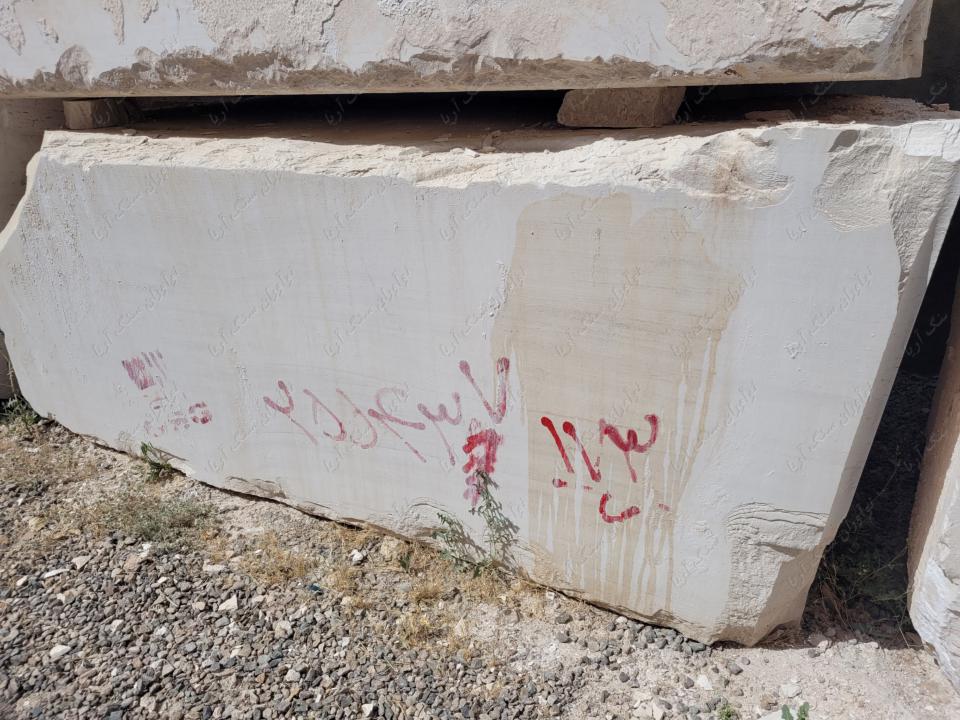
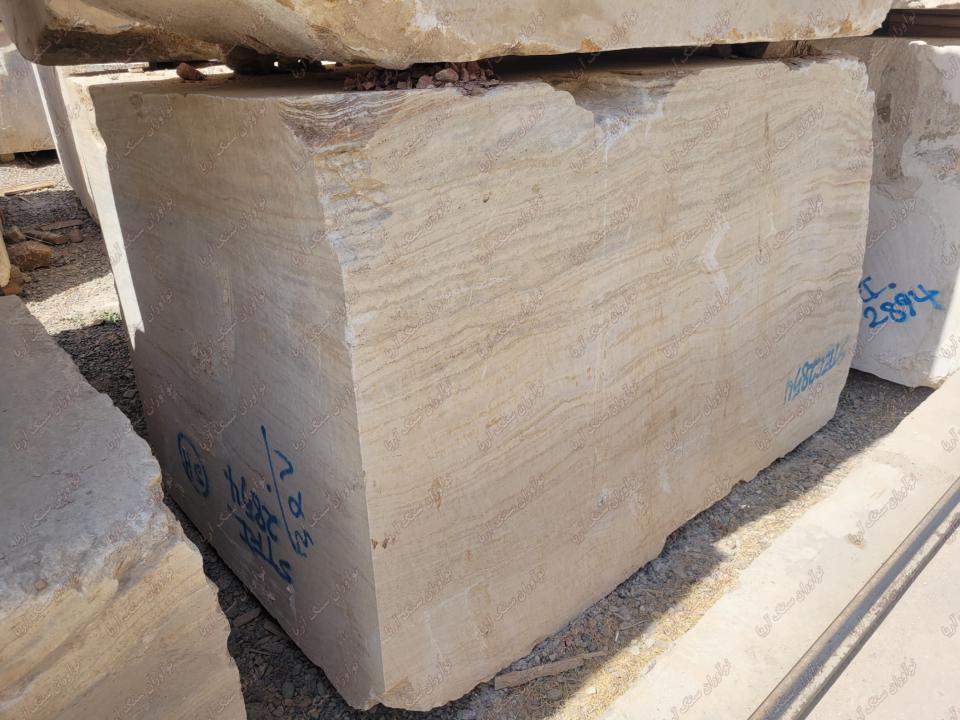
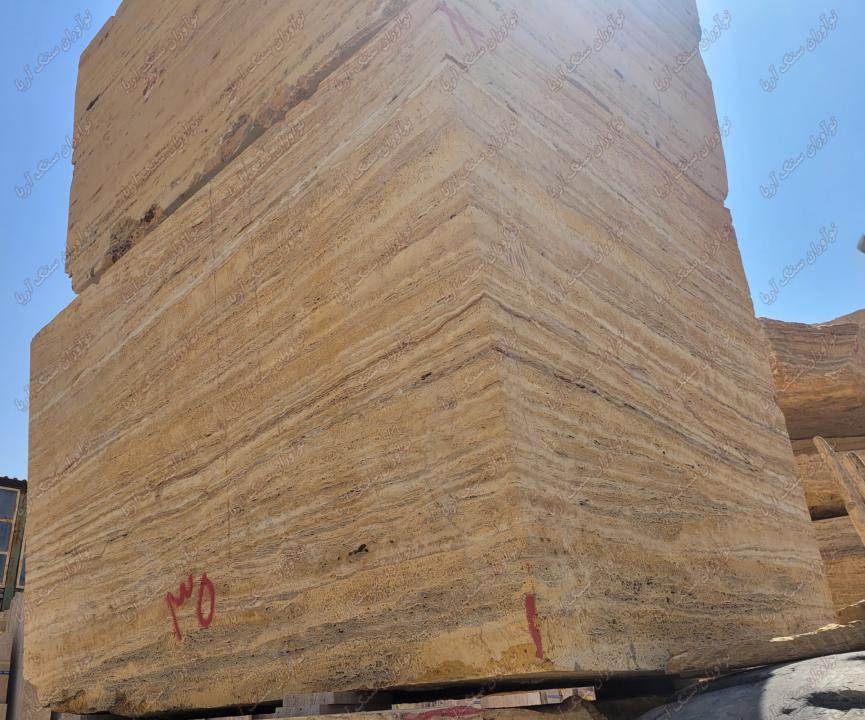
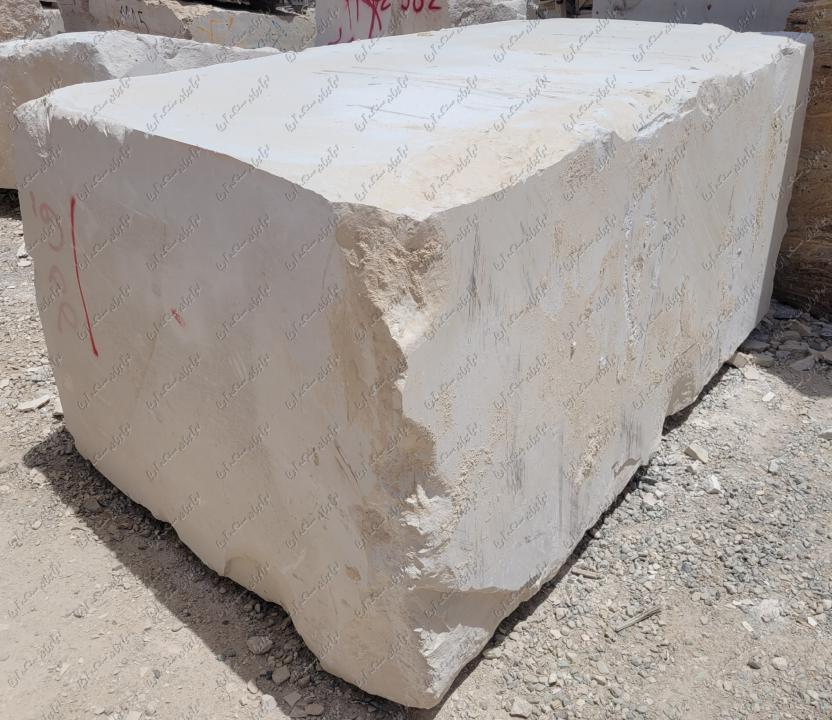
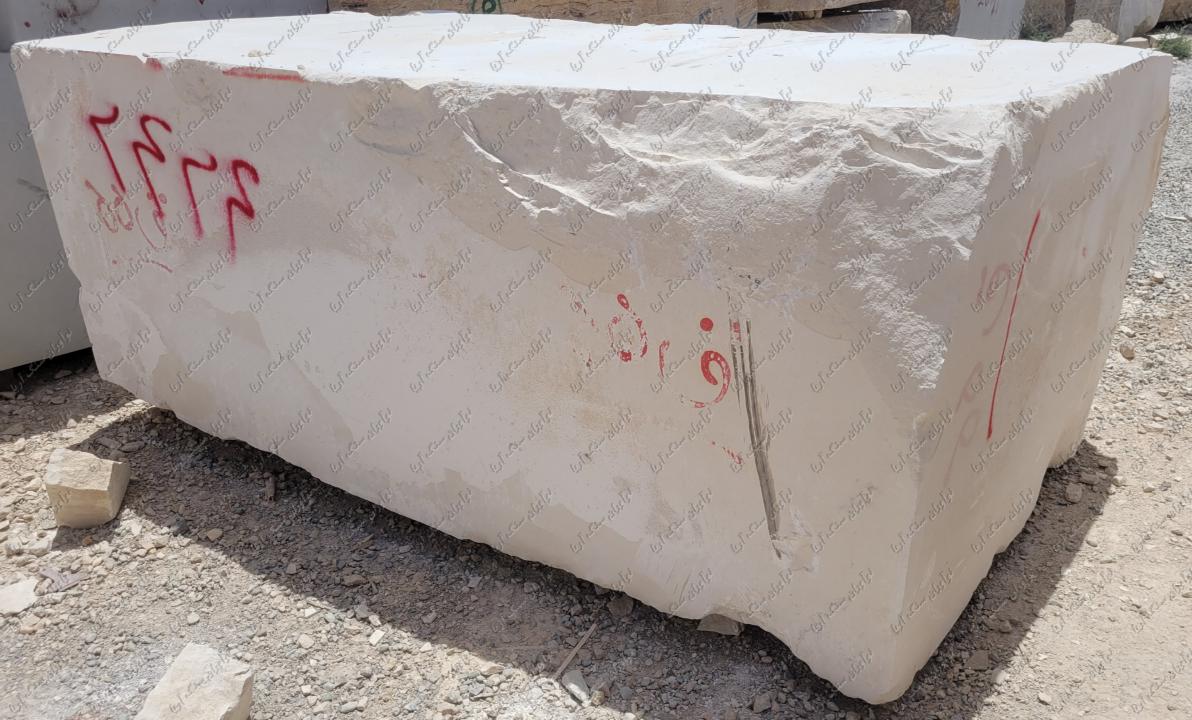
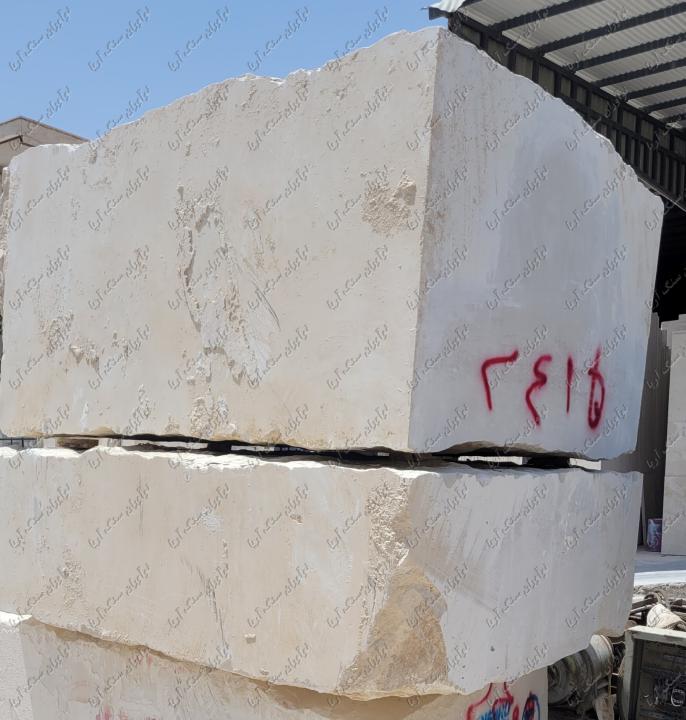
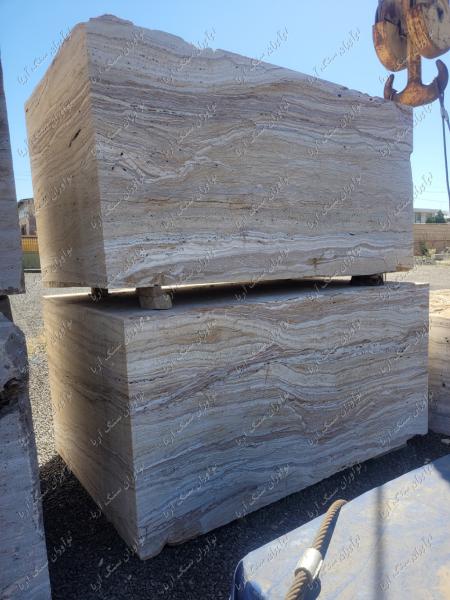
How is a block of stone extracted in a quarry?
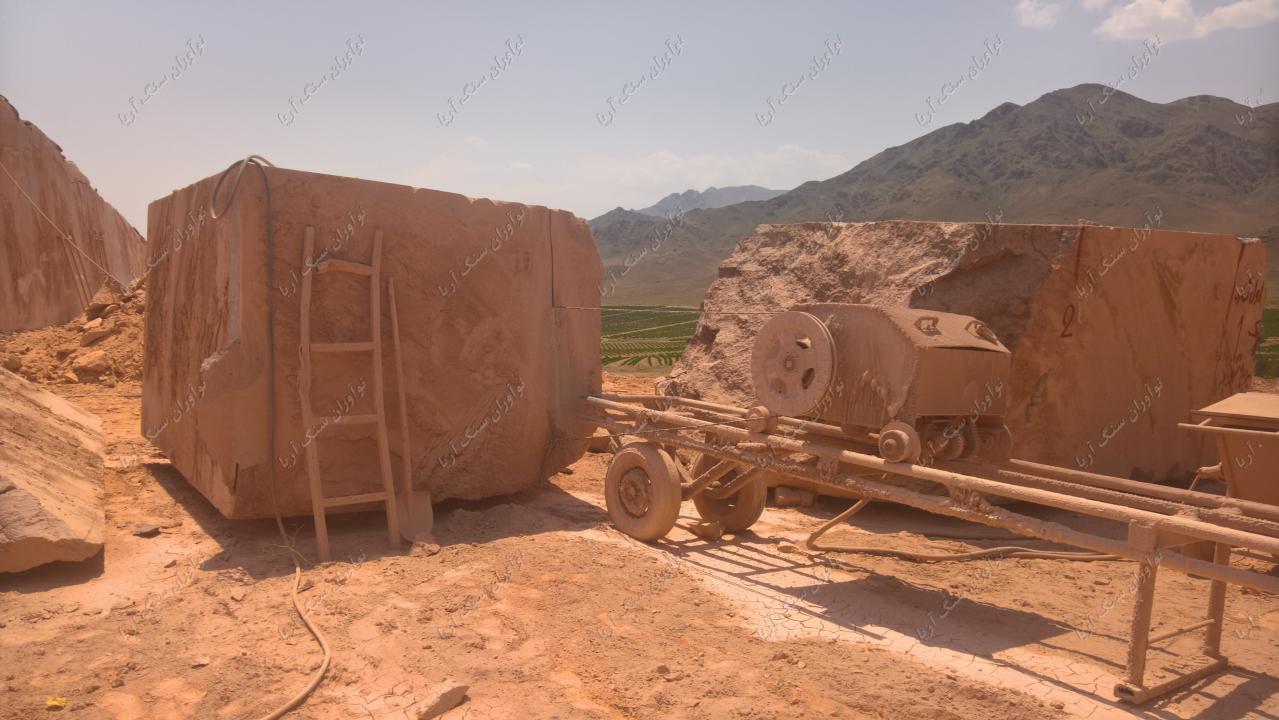
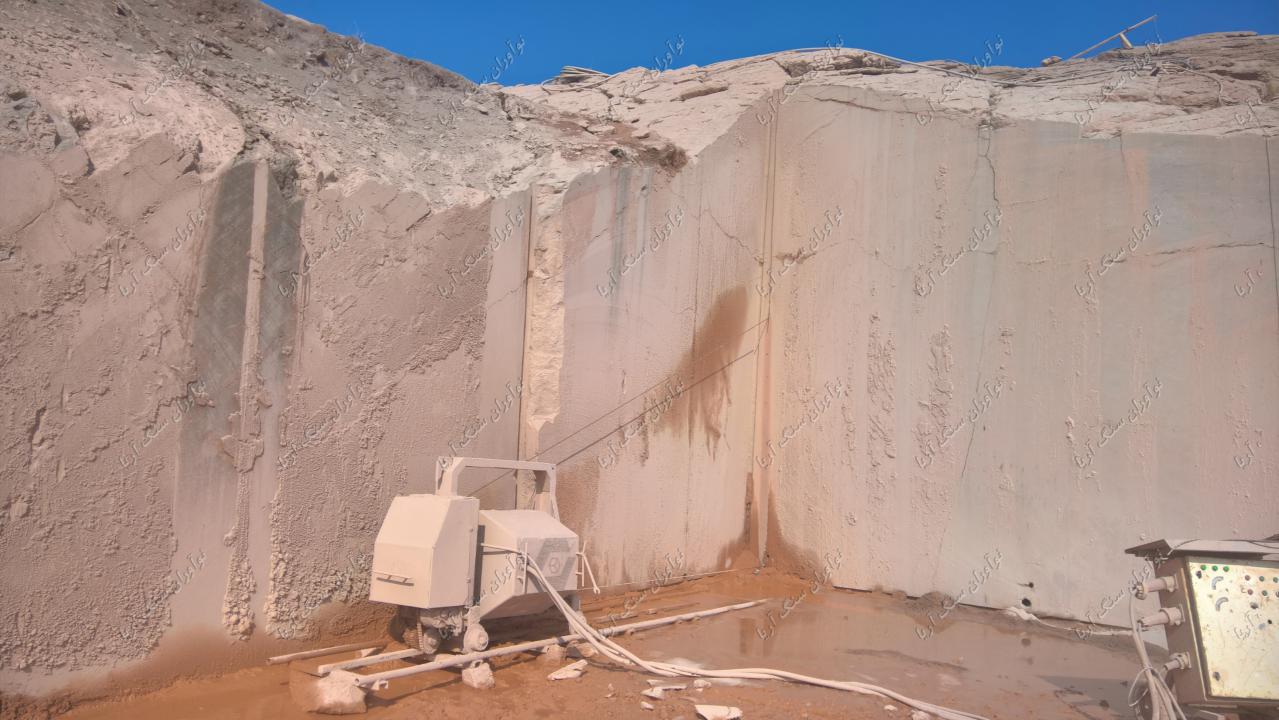
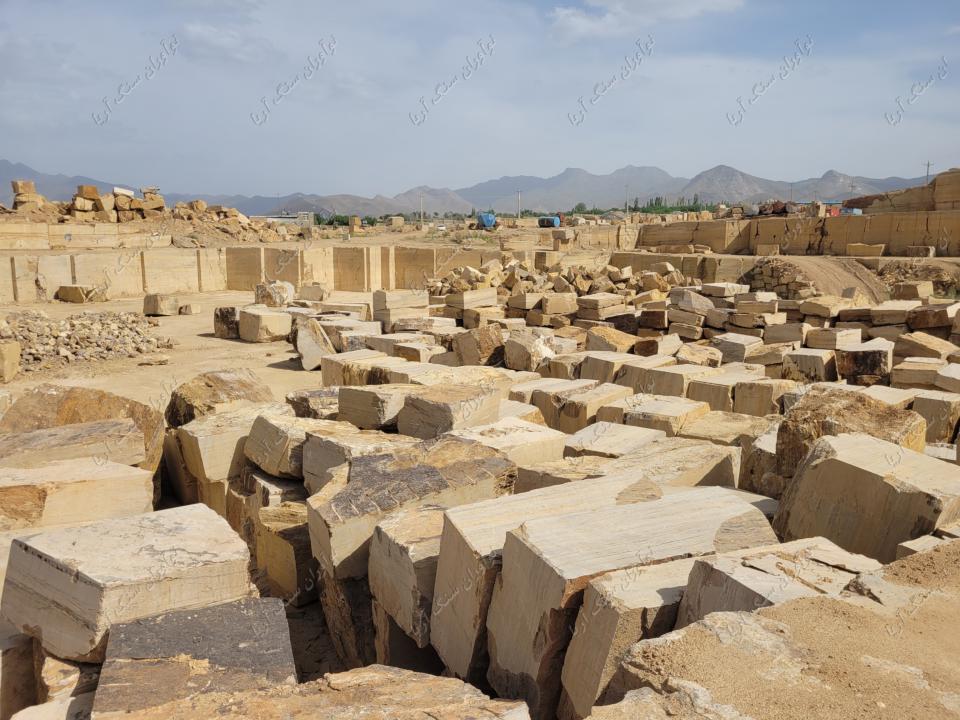
In any quarry, three free faces are needed for extracting the stone block. In the process, a few holes are drilled along the stone faces in perpendicular directions so that the rest three faces of each block are detached by means of wire-cut machine which consequently separates the block from the stone face. At the end of the cutting process, the extracted block is separated from the stone face walls with the force applied by an excavator or a loader. As a result, the block is toppled onto the stone bench and eventually the block is dressed into the proper dimensions in order to carry into the factory.
Types of stone blocks based on the consisting minerals
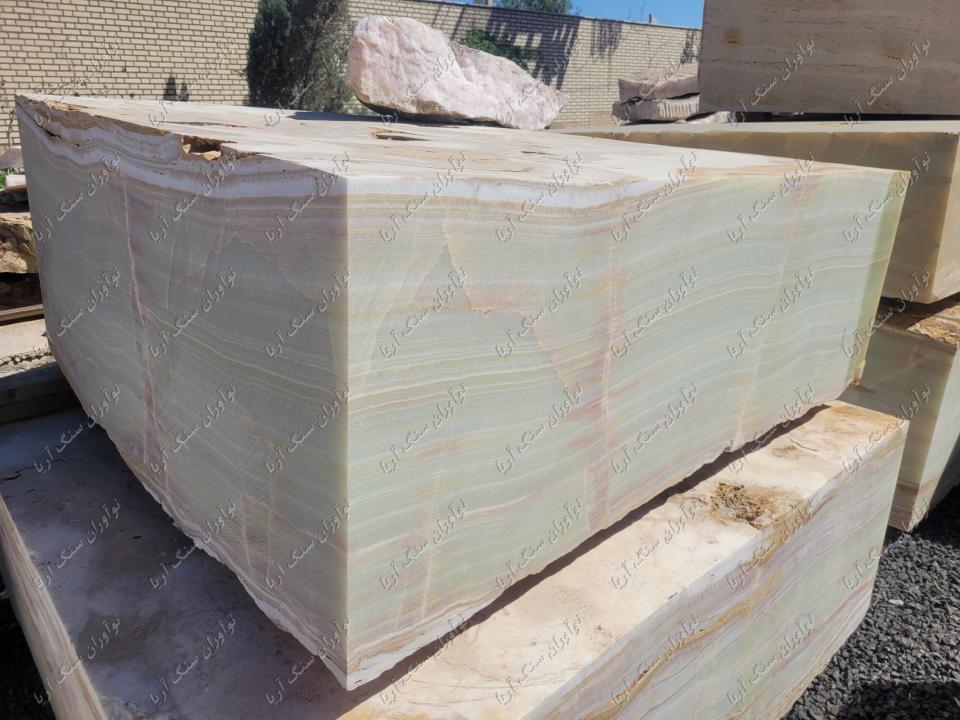
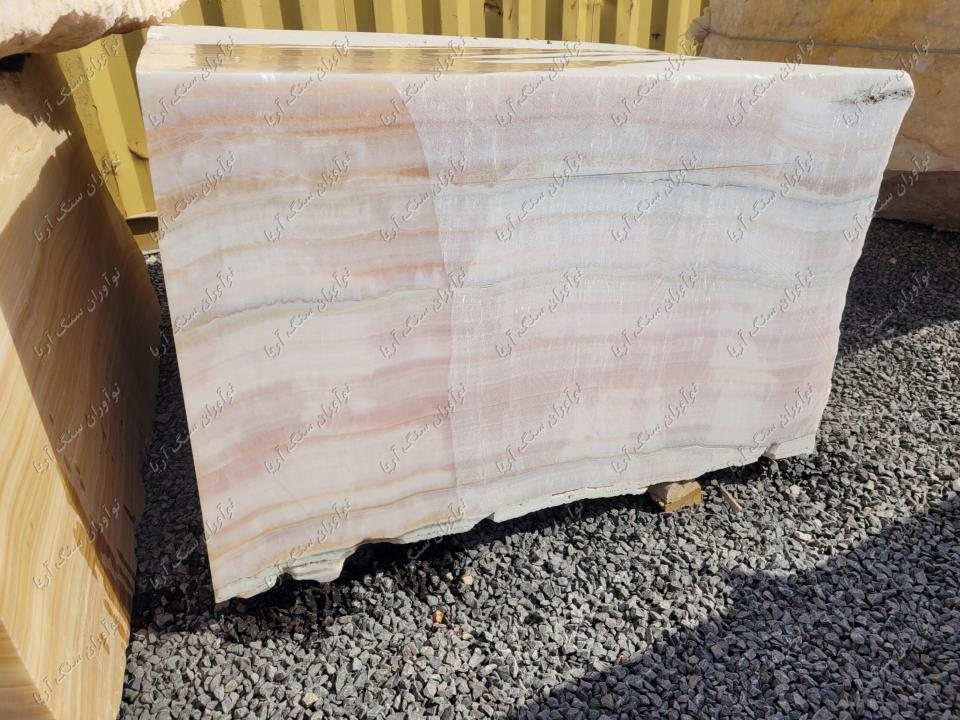
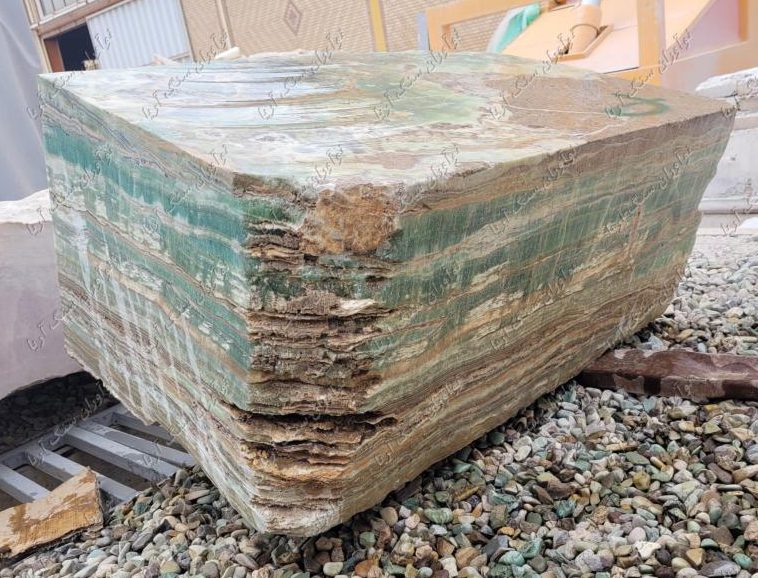
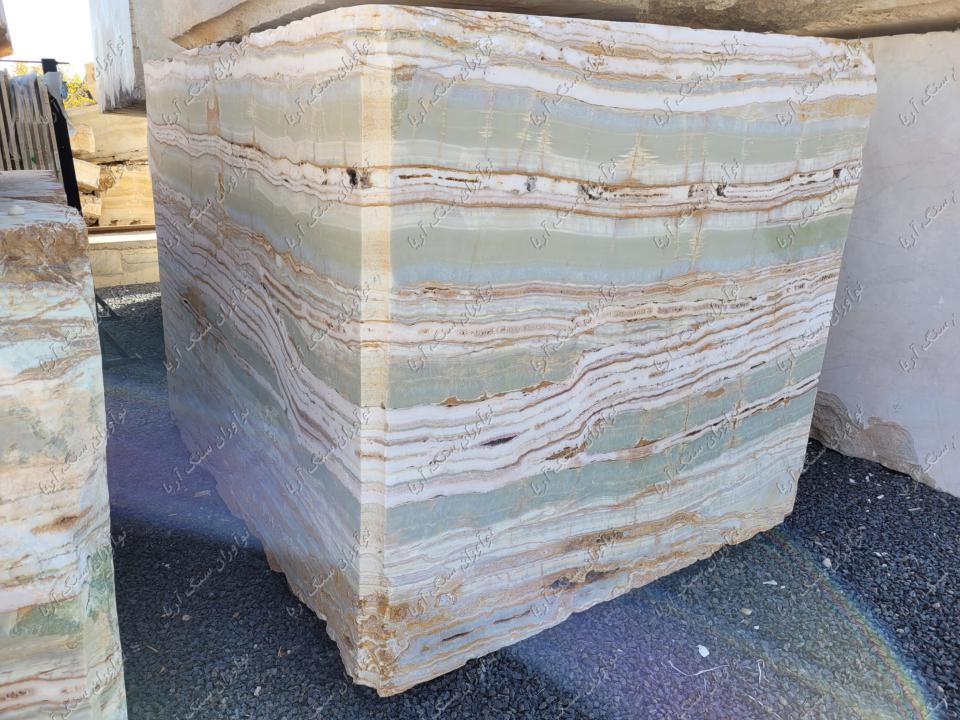
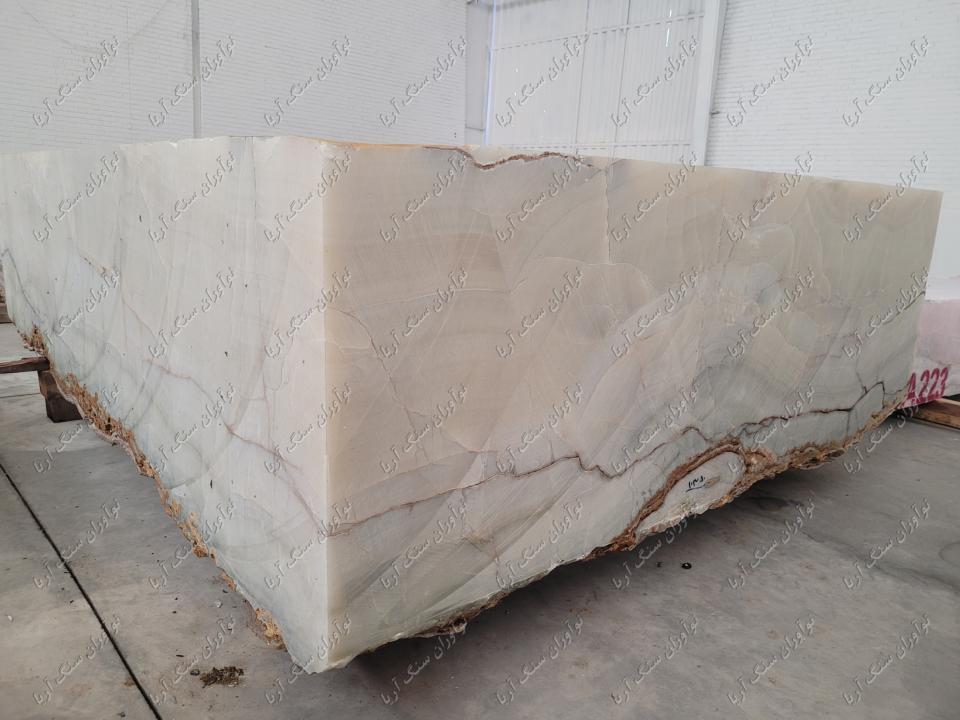
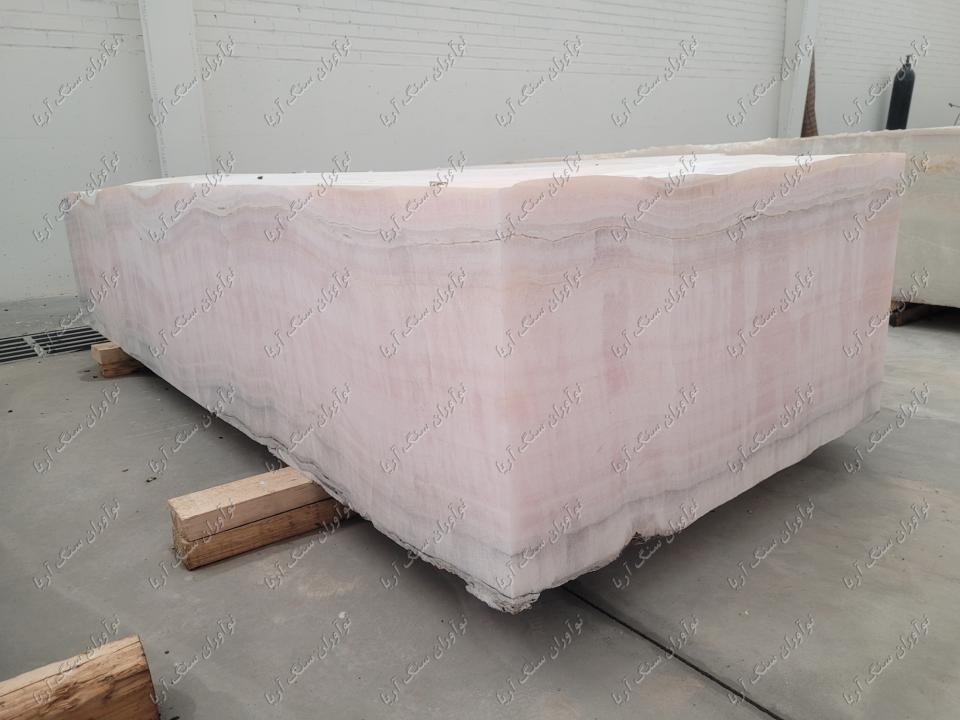
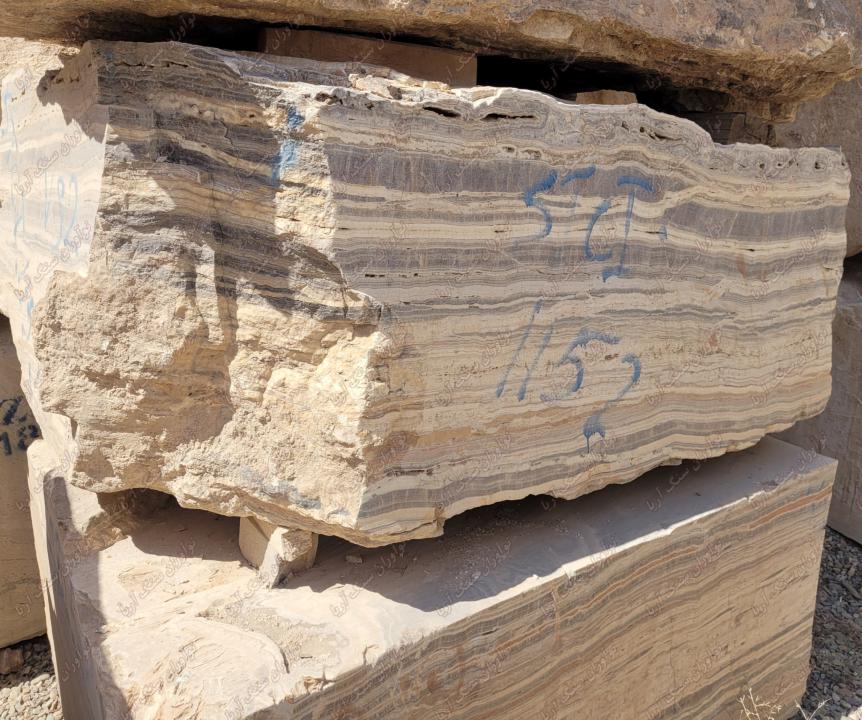
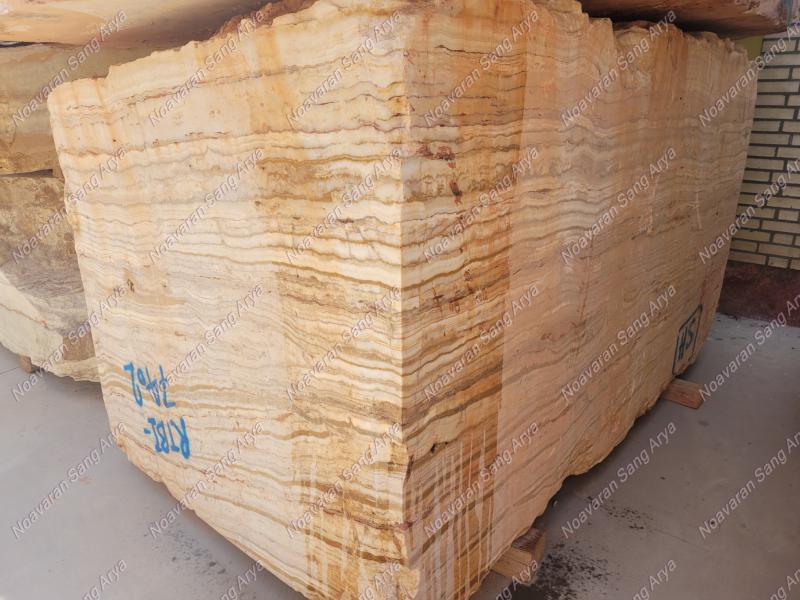
Onyx blocks are extracted from a wide range of the onyx quarries. The main minerals inside the fabric of the onyx is calcite and the final color tone of the onyx come in a different range of tones depending on the type of the impurities and they range from Pink, Green, White Onyx, Black onyx,, Blue Onyx, Orange, Honey and so on. For example, pink onyx is due to the presence of anhydrous iron oxides whereas yellow and brown onyxes are due to the presence of hydrous ones.
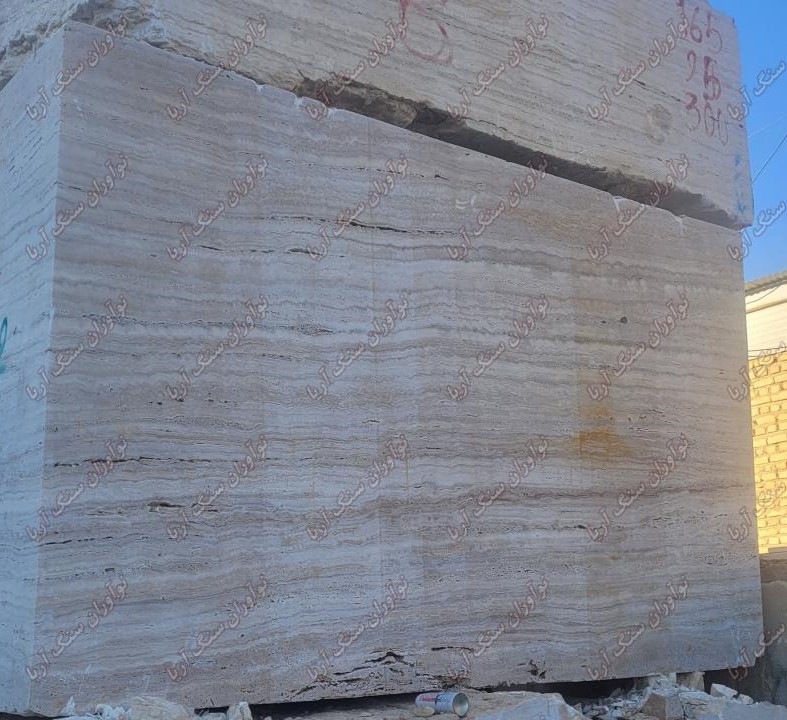
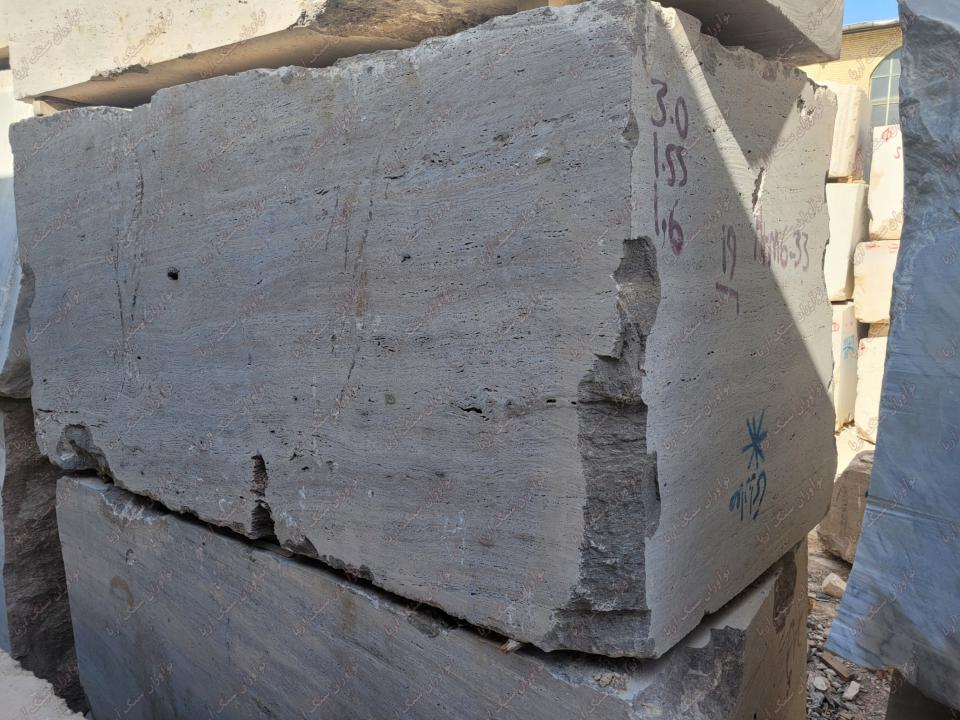
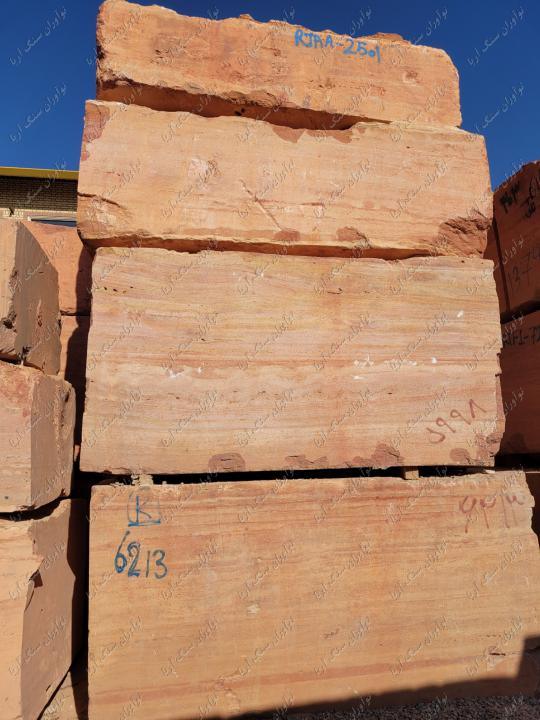
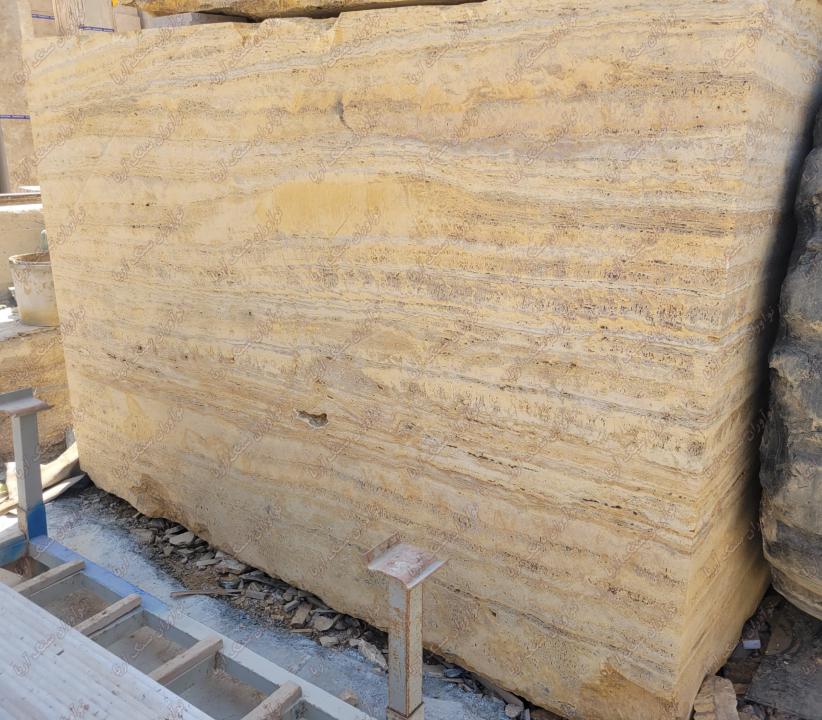
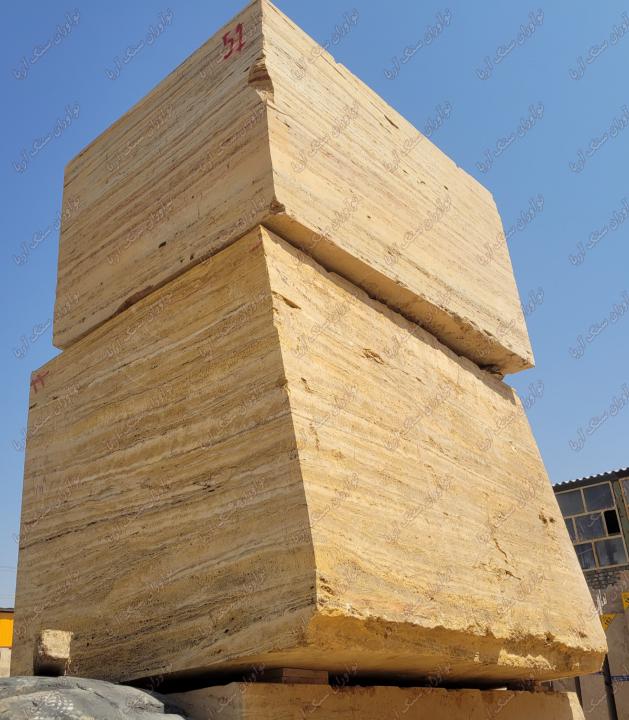
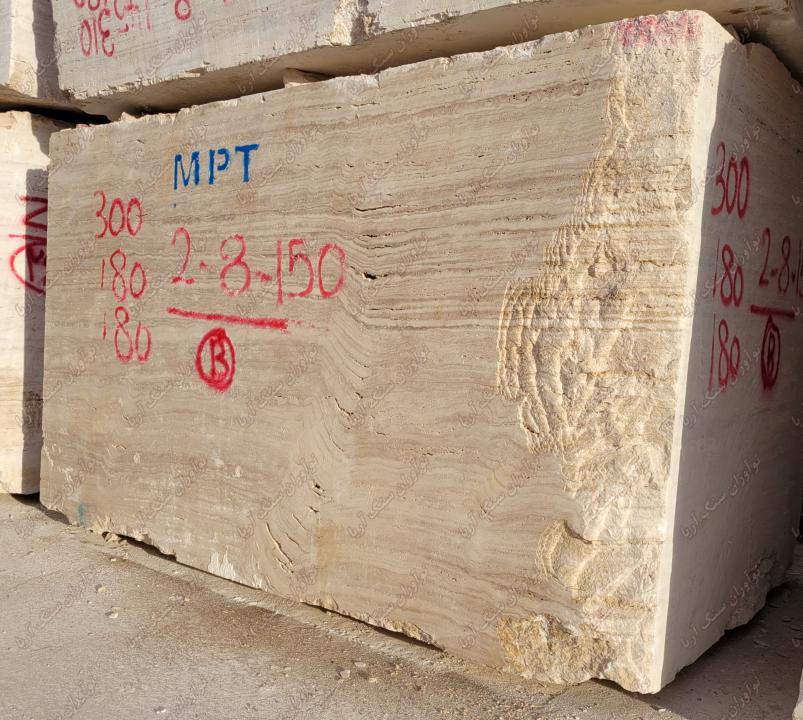
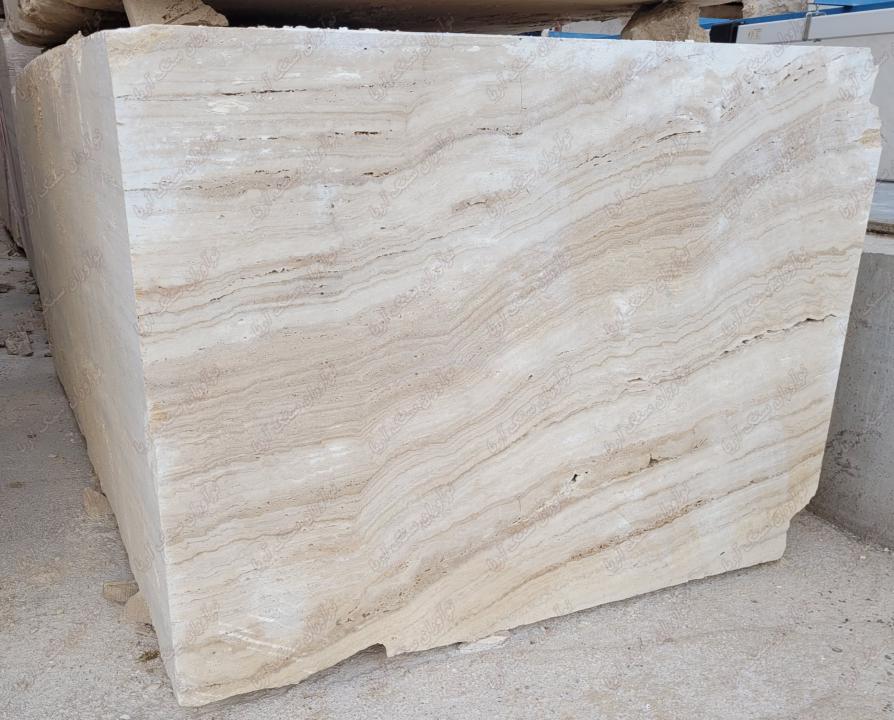
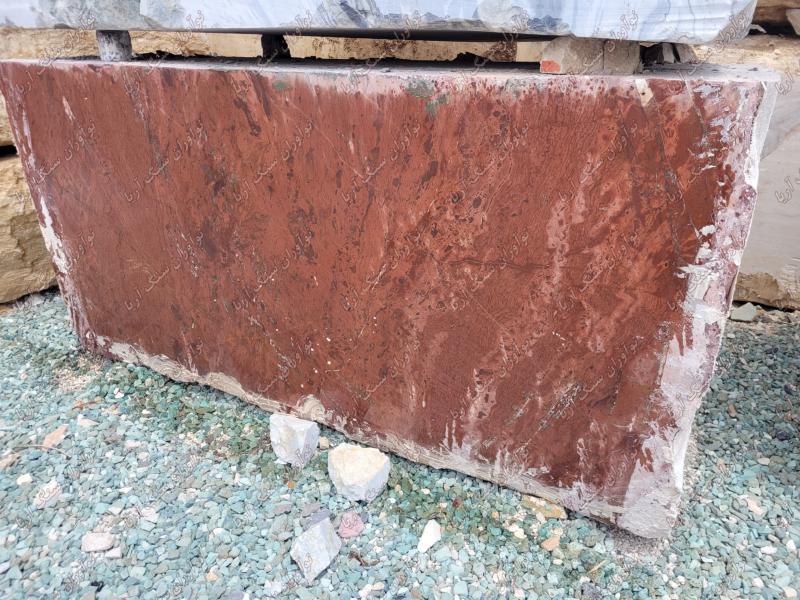
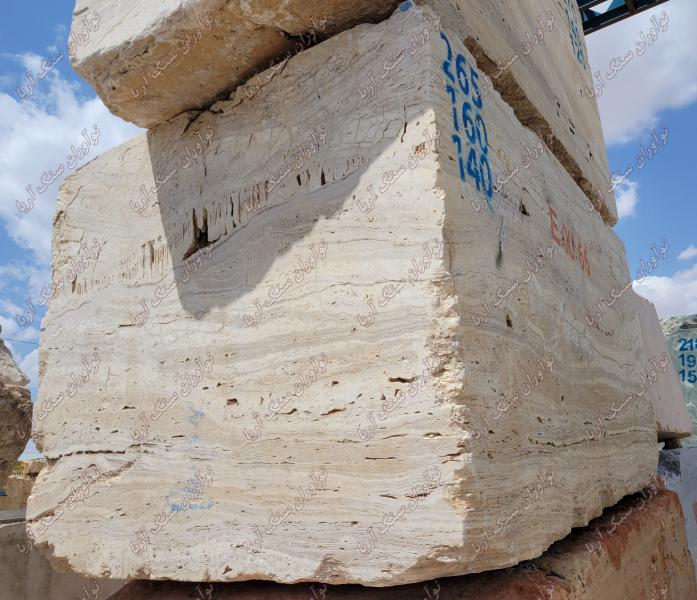
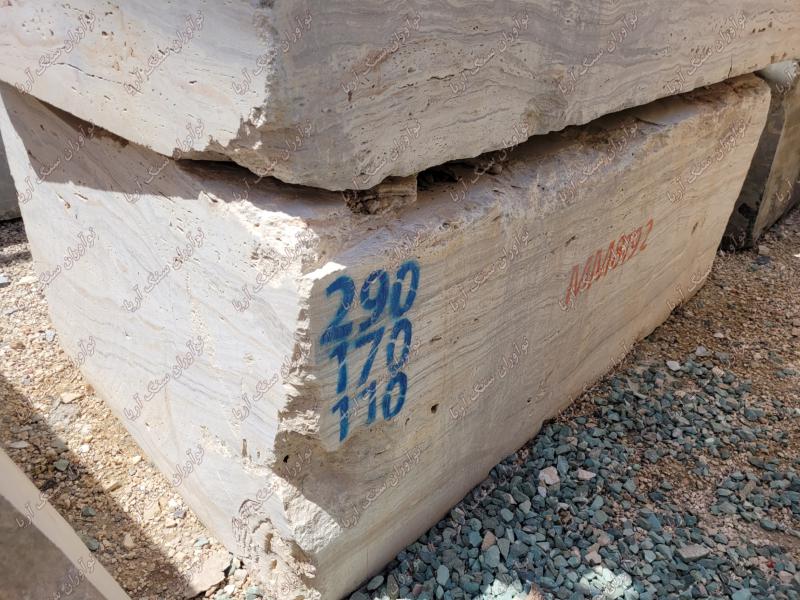
Travertine is specific to the quarries that hold a history of hot springs rich in calcium carbonate, consequently depositing travertine reserves. Calcite is the main mineral in such reserves and as Travertine is the product of relatively fast cooling process of the calcium carbonate on Earth, so Travertine is a highly prous material in the structure. Depending on the type and the percentage of other minerals accompanying calcite, Travertine comes in a variety of colors including White, Lemon, Cream, Silver, Red, Walnut, Chocolate and so on.
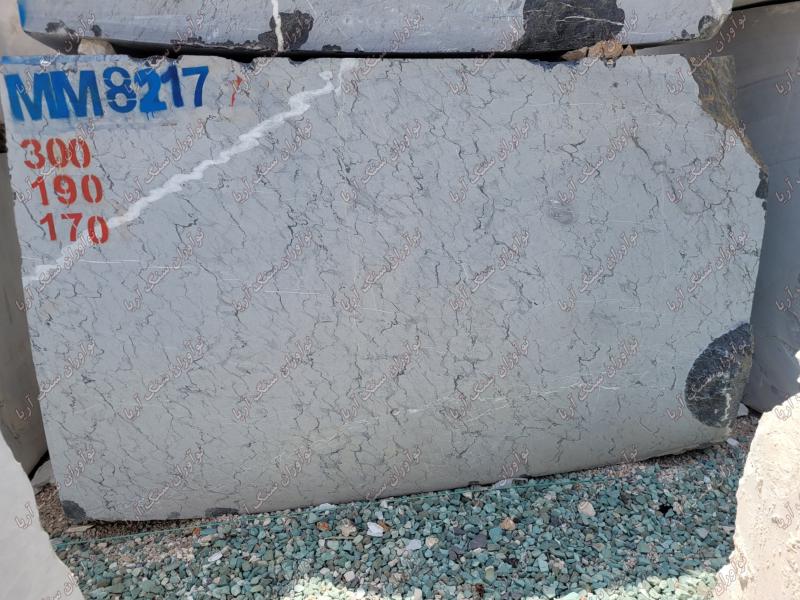
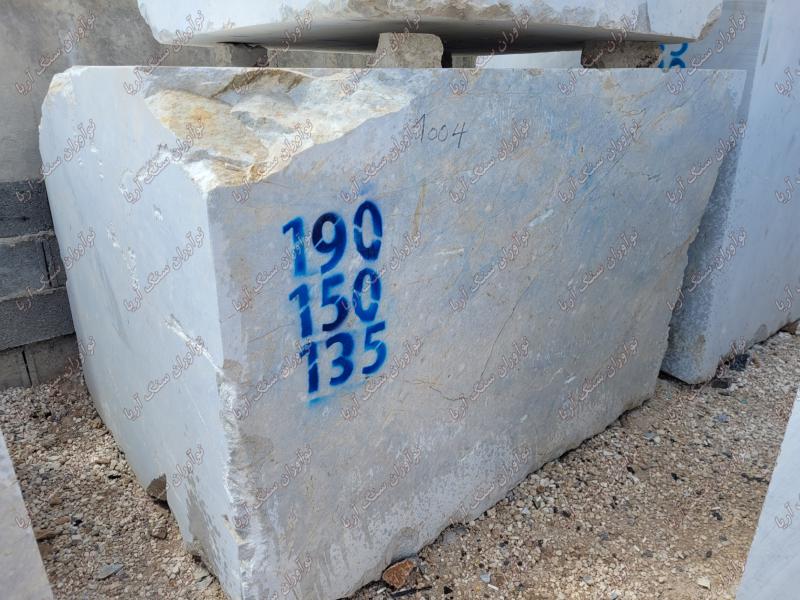
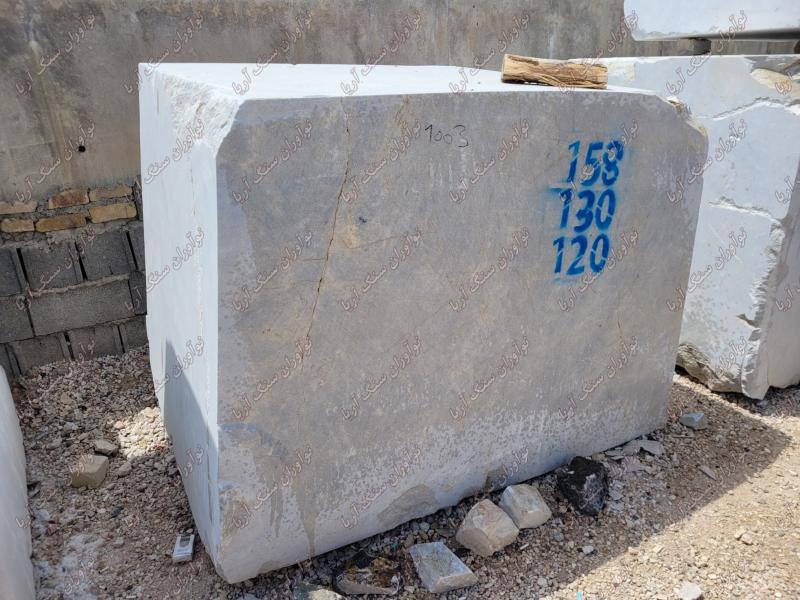
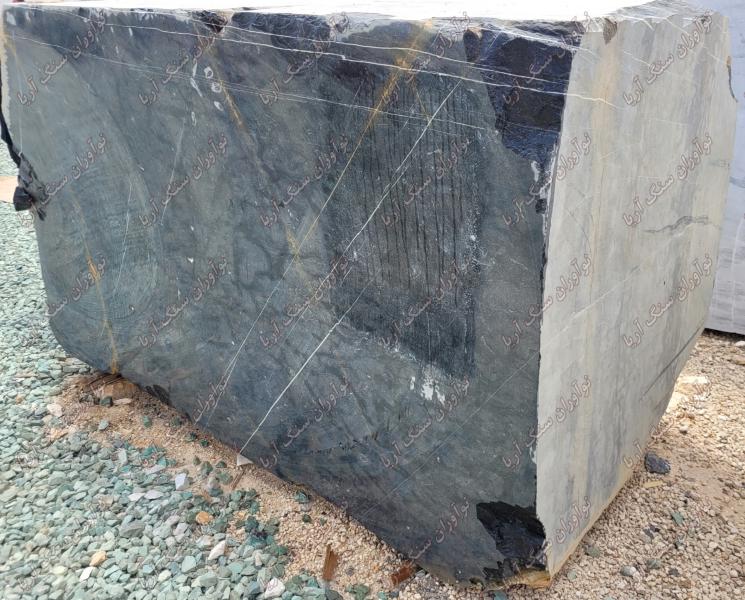
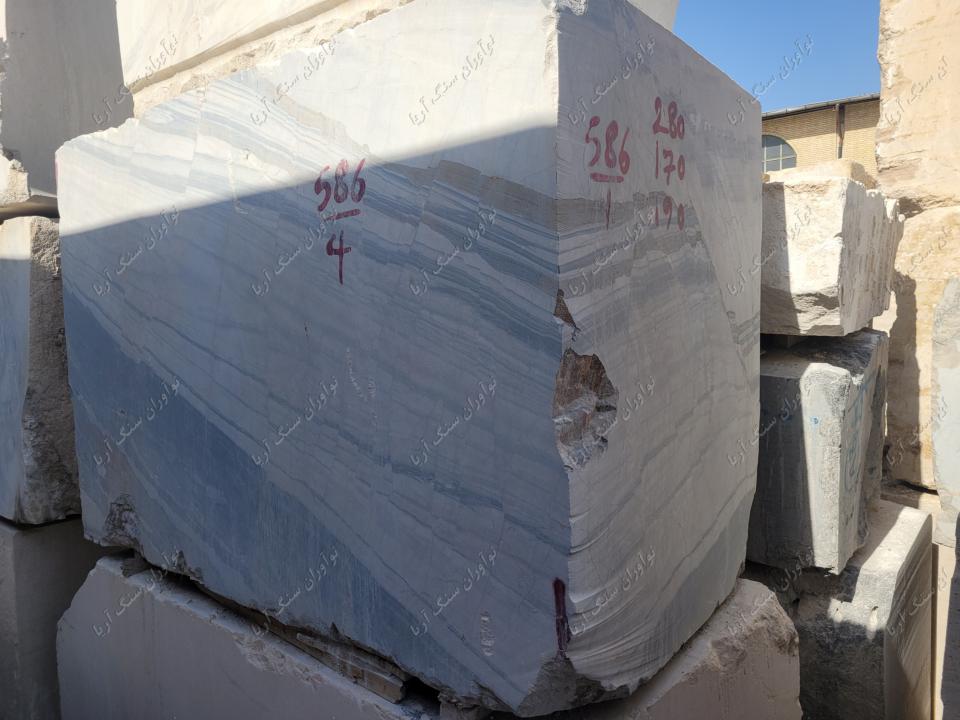
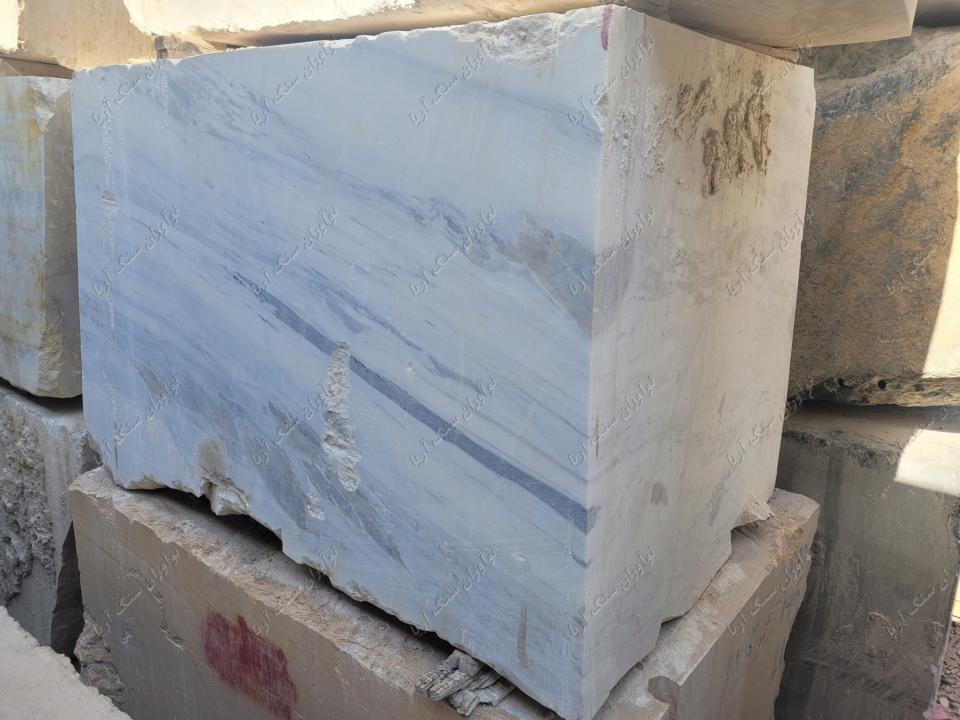
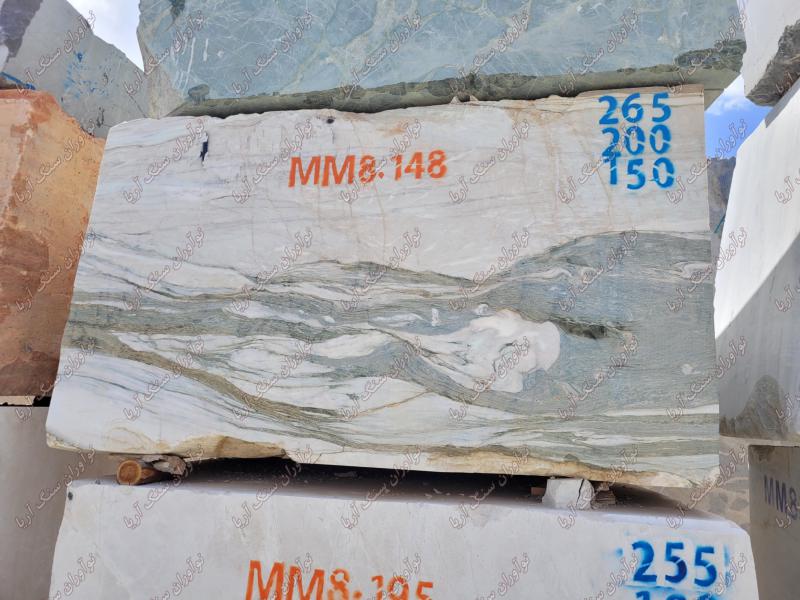
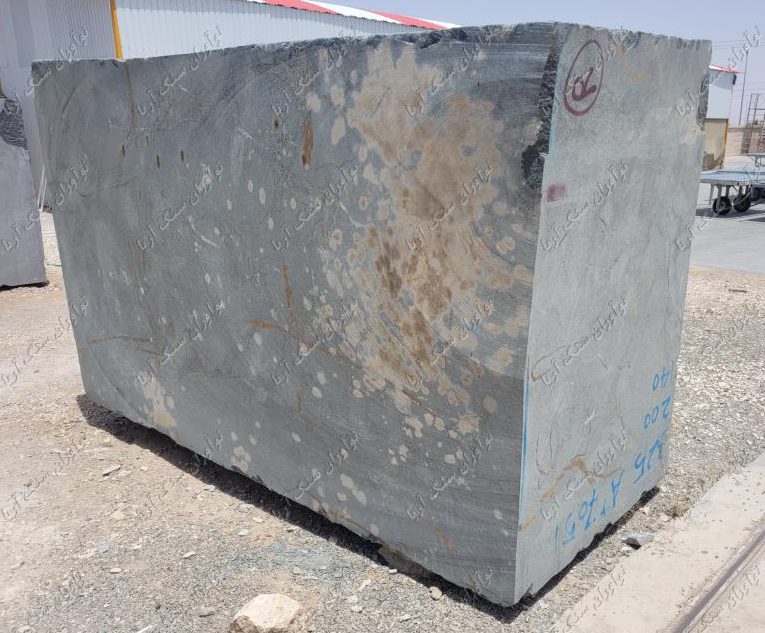
Marble blocks are extracted in the quarries that the reserves are the result of metamorphism on the preliminary limestone. According to the percentage of the calcium or magnesium minerals inside the mineral composition, marble blocks are categorized into two distinct calcite and dolomite marbles. Depending on the type as well as the percentage of other accompanying minerals, a wide variety of colors are formed within the marble blocks including Black, Brown, Grey, Green, Red, Pink, Cream, Blue, Golden .
This type of marble blocks is known with higher levels of metamorphism acted on the preliminary reserves of limestone. This way, a phenomenon called recrystallization occurs inside the limestone fabric that results in the newly formed crystalline arrangements. It is worth emphasizing that the both types I and II of the marble blocks are categorized in a single class called "Marble" according to the classifications made by Marble Institute of America (MIA). White Crystal Marble, Grey Crystal Marble, Black Crystal Marble, Green Crystal Marble, Blue Crystal Marble are all extracted from different crystal marble quarries.
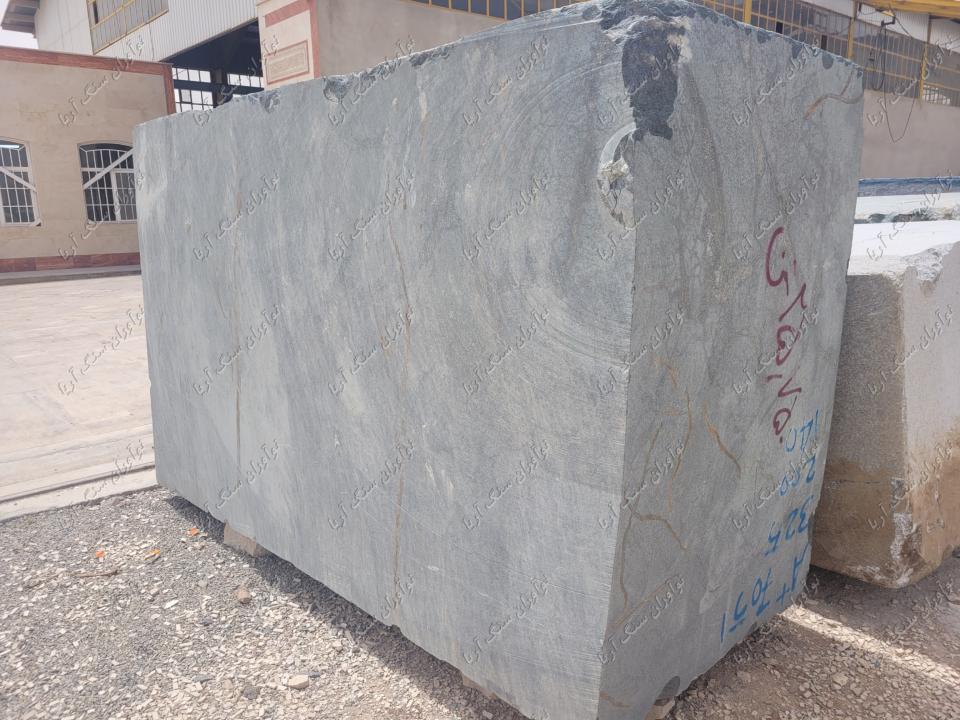
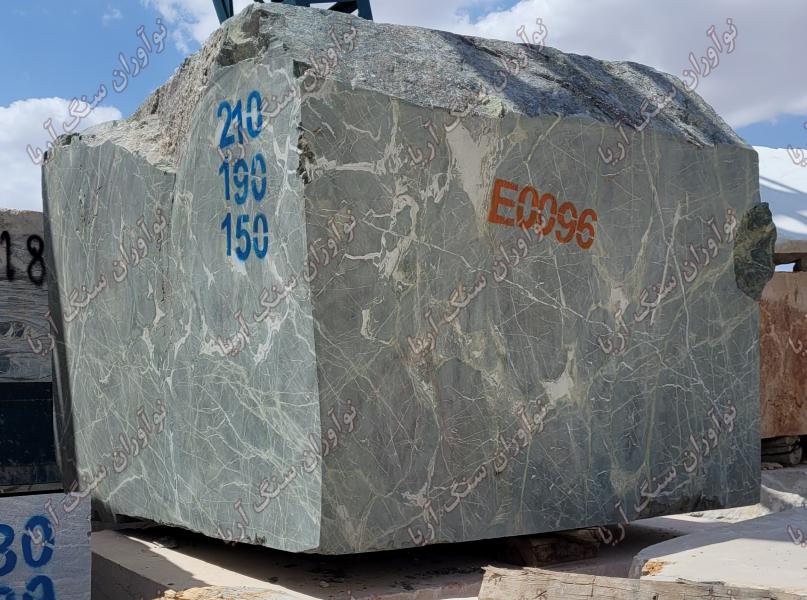
Granite blocks are extracted in the quarries of igneous rocks that are characteristically fine-grained, comprising of quartz (20-60%), feldspar (10-65%) and mica minerals (5-15%). Black flakes in Granite are most likely representative of biotite or hornblende minerals. According to the type and the percentage of the consisting minerals, Granite comes in a variety of colors including White, Black, Greenand so on.
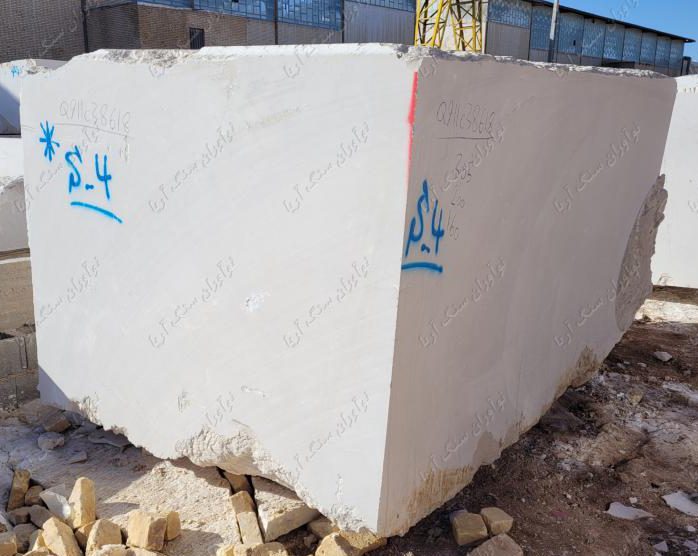
Limestone is specific to the natural reserves of the stones that are deposited from carbonate reserves inside the water during long periods of geologic times. Comparing to other types of natural stones. limestone represents higher tendency for reactions with various weather conditions like acid rains. This is why limestone is not considered as a durable natural stone when it comes to exterior applications including wall claddings and veneers.
This type of natural stone is a compound of travertine and onyx as the name says by itself. Depending on the conditions at the time of calcium carbonate deposition in the hot springs, travertine reserves are deposited if the cooling speed on the surface of the Earth is relatively high whereas onyx is deposited if the speed of cooling is relatively low. This succession of travertine and onyx layers makes the unique reserves called Tra-Onyx. according to the the wide variety of consisting minerals, tra-onyx blocks come in a big range of colors and patterns.
Block packaging
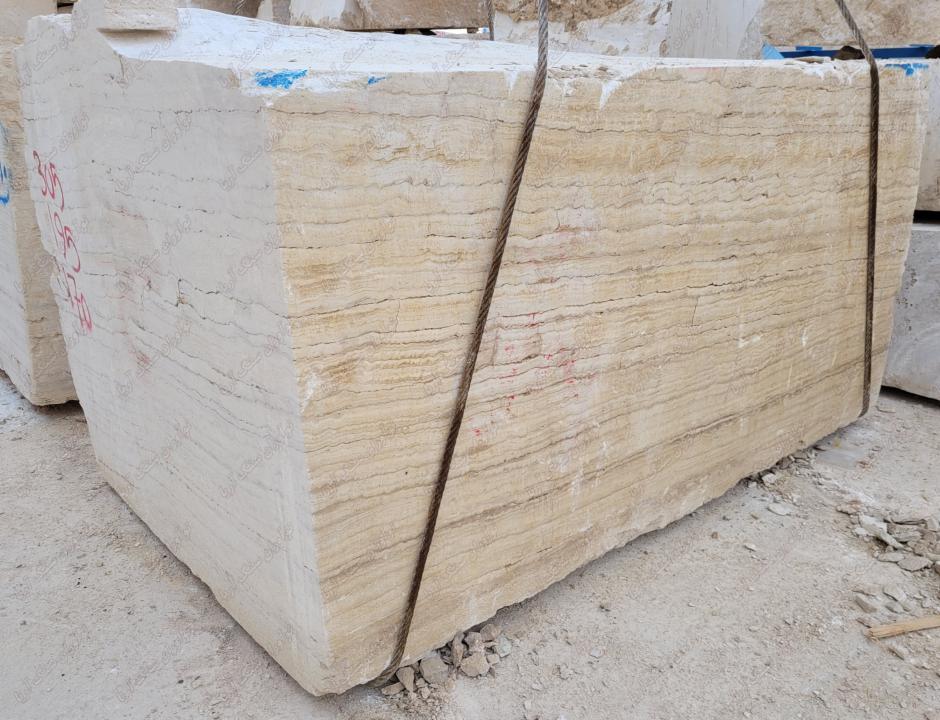
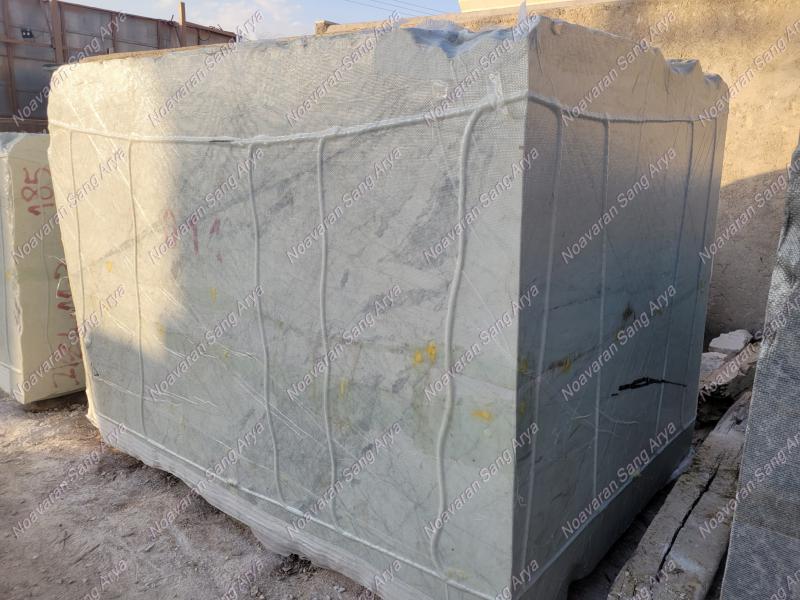
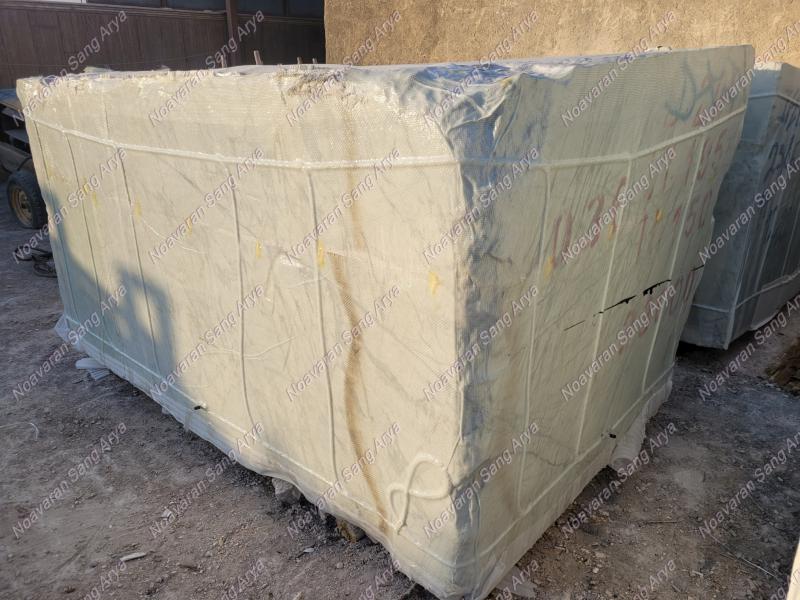
In order to carry the extracted blocks from the quarry to the factory, no specific packaging is required as the block is reinforced by means of belts all around, then anchored and fastened to the truck through the iron chains and hooks. In case of risky blocks like onyxes that are inherently full of various cracks, it is recommended to reinforce the blocks with the proper belts perpendicular to the main direction of the cracks.

QC of stone block
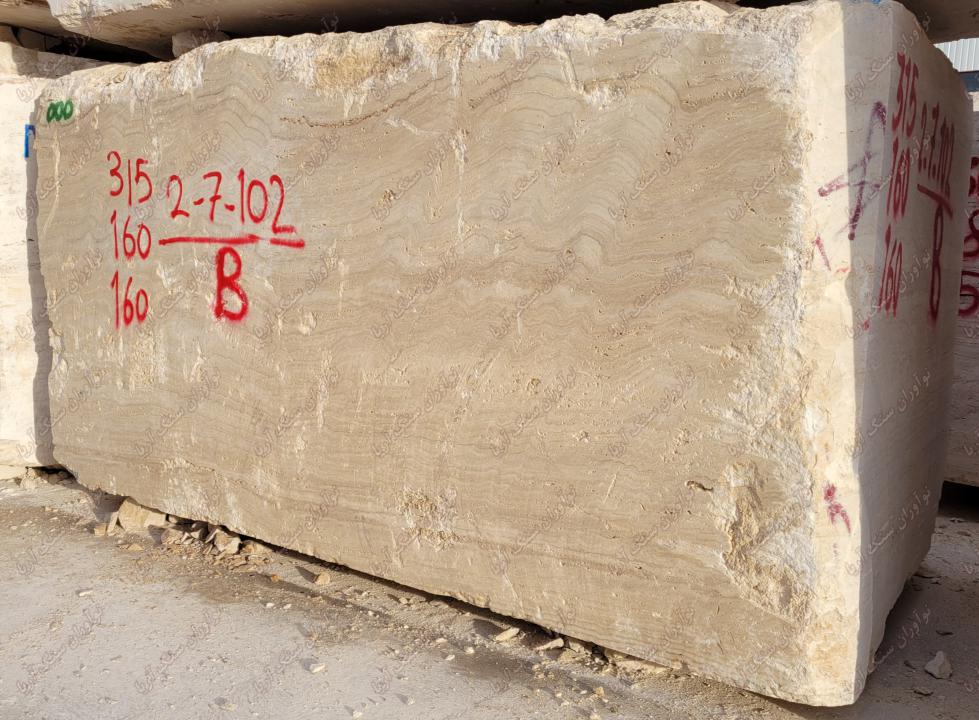
It is of high priority to inspect and analyze the block of stone in order to identify the possible risky parts and the relevant weaknesses. QC of the blocks is done through precise inspection of the cracks and the correlations, the mineral composition of the block and the risks and also the overall conditions of the block in order for cutting. This range of analysis is performed in detail and finally is finalized in a comprehensive report for making final decisions.
The company Noavaran Sang Arya as a leading and prominent company in the realm of natural stone QC, is readily capable of taking full responsibility of the natural stone projects on the basis of a productive cooperation with a great variety of contractors in order for sourcing and procurement of any range of natural stones.
Simply register your order just by sending us the code in the galleries
- Sales of travertine blocks
- Sales of onyx blocks
- Sales of Granite blocks
- Sales of Marble I blocks
- Sales of Marble II blocks
- Sales of Tra-onyx blocks
- Sales of limestone blocks