Steps of stone processing
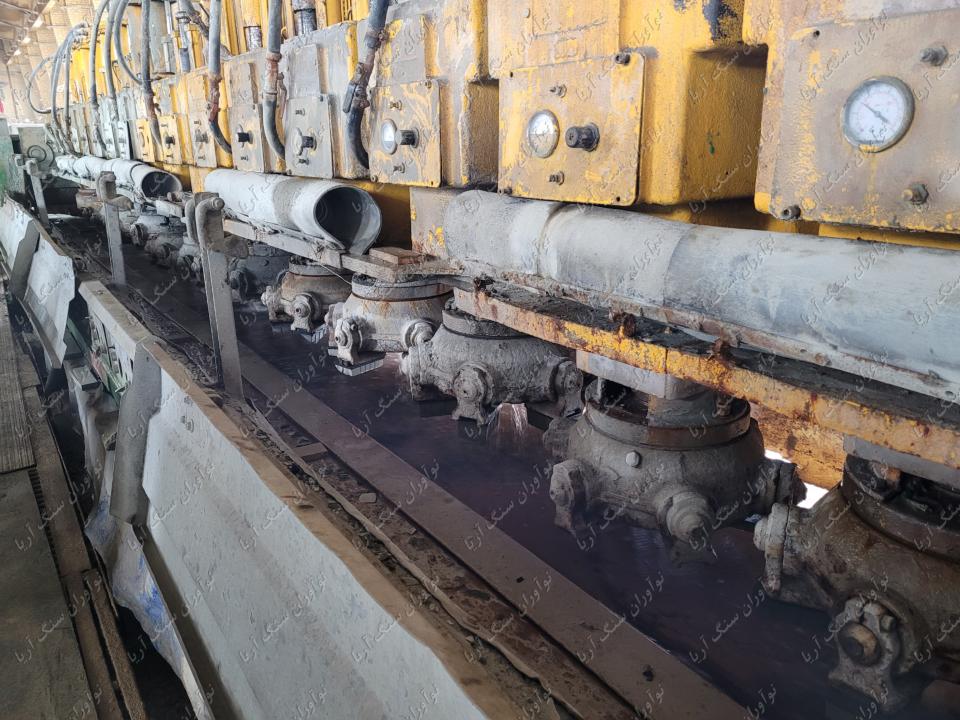
Generally, finish processing of natural stones are categorized in three distinct stages including calibrating, grinding and polishing with applying the abrasives specific to each stage. As the processing proceeds higher grits of the abrasives are employed in order to get to the smoother and glossier finishes of the stone. The grit of any type of abrasive represents the ability to remove thicker layers out of the stone surface.
Types of abrasives in stone processing
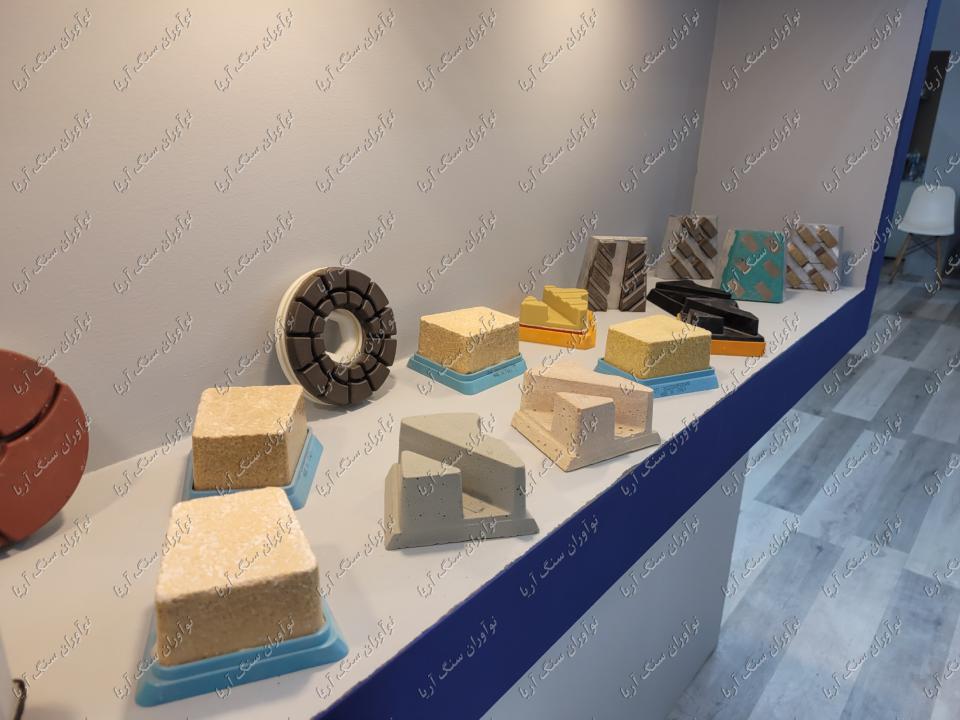
Strictly speaking, the stone abrasives in the processing of the stone finish, are classified into two distinct categories of magnesite bond abrasives and resin bond abrasives in terms of composition. The magnesite abrasives include the grits from 16# to 320# while the resin abrasives cover the grits of #360 up to 1500#. In the end of processing line, some acidic abrasives (5extra & 10extra) are also applied along with the cleaners in order to polish the surface into the highest possible gloss.
Processing in hard stones
In case of hard-to-polish natural stones like Granite, it is necessary to apply special abrasives with higher strength in order to smooth the surface into the desired finishes. In this case, diamond-impregnated abrasives with higher capability in polishing. In addition, polymeric abrasives are made with the feature of highly resistance to wear and tear.
The correlation between abrasives and type of processing
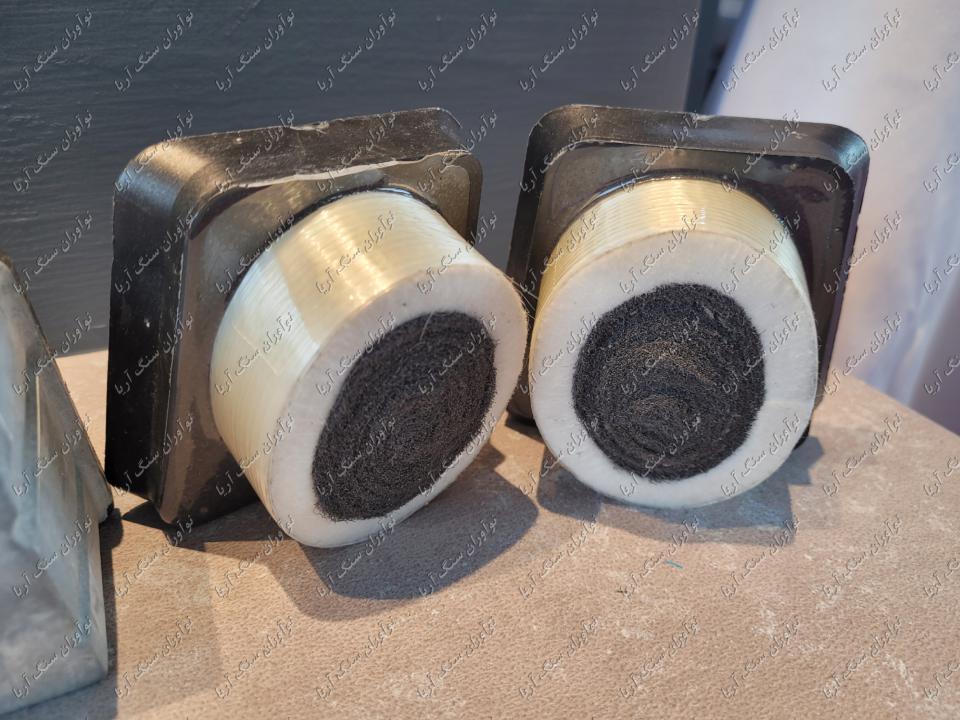
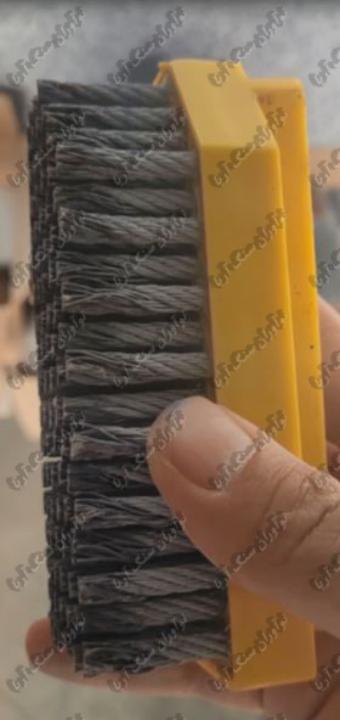
In the event that the stone finish is designed something other than polished finish, it is therefor needed to employ some special abrasives in order to get the stone finish into the final honed, leathered, bush-hammered and so on, in which the composition of the abrasives differ from one type to the other.


Noavaran Sang Arya The product of a beautiful mind A unique collection of natural stones The first professional stone company in QC